- Anxiety and depression
- Caregiver and ageing issues
- Communication problems
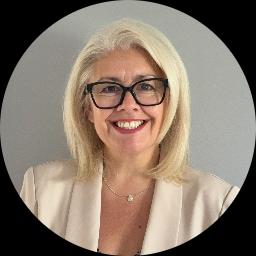
About Lynne
She offers direct, conversational support that focuses on the problems people bring to sessions. Conversations aim to clarify what feels difficult and to identify practical ways forward. Sessions are paced to each person, with time to talk through immediate worries and to consider longer term coping strategies.
Lynne has worked with a wide range of issues across her career. This includes attachment and abandonment concerns, communication and commitment problems, blended family matters, and the emotional impact of chronic illness, cancer and caregiving responsibilities. She also has experience with personality-related difficulties and autism spectrum concerns.
Her style is respectful and person-centred. She emphasises listening and helping people make sense of their feelings. That can mean practical steps for stress and anxiety, or reflective work around self-esteem and relationships.
People usually begin by describing the concern that brought them to therapy. From there Lynne and the client decide together what to focus on and how to proceed. Practical issues such as session length and scheduling are discussed at first contact so arrangements fit everyday life.
Areas of expertise
Primary focus
Additional focus areas
Experience
17+ years
Credentials
BACP · United Kingdom
Languages
English
Therapeutic approaches and working online
Many evidence-based techniques focus on changing patterns of thought and behaviour. Cognitive-style work looks at how thoughts link to feelings and actions and offers practical ways to try different responses. This can be helpful for anxiety, low mood and stress.Other approaches concentrate on relationships and attachment. That kind of work looks at how past experiences affect current relationships and communication. It can help with relationship strain, commitment worries and feelings tied to abandonment.
Finding the right approach is usually collaborative. The therapist will discuss options with the client and agree what to try first based on the person’s goals and day-to-day needs. Plans can be adjusted as work progresses so the method fits the problem and the person.
Session formats are not specified in the biography, so confirm available options before booking. Online therapy can make it easier to fit appointments into a busy day, reduce travel time and allow quieter check-ins when needed. It also lets people continue work during health changes or when caring responsibilities make leaving home harder. Registered or accredited professionals can explain how they will structure sessions to suit individual circumstances.
Frequently asked questions
What kinds of problems does she work with?
She works with stress, anxiety, depression, relationship and family difficulties, low self-esteem and related concerns. Additional areas include ageing and geriatric issues, caregiving stress, chronic illness and loss.
What is her therapeutic approach like?
Her approach is person-centred and conversational, focusing on listening and helping people make sense of their feelings. Sessions combine immediate practical ideas with reflective work when useful.
How much experience does she have?
She has 17 years of counselling experience working with adults across a range of emotional and psychological concerns.
What are her credentials and where is she based?
She is BACP accredited and practises in the United Kingdom.
Does she work in languages other than English?
Sessions are offered in English.
What session formats are available?
Session formats are not specified in the biography. Please confirm current session options with the service before booking.
How are fees handled?
Cost varies with location and sessions use a subscription that can be cancelled at any time.
How do I start a first session?
Select the See online therapy options button, complete a short matching questionnaire, and schedule a first session.