- Stress and anxiety
- Addictions and recovery
- Aging and caregiver issues
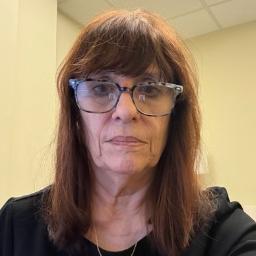
About Loretta
Loretta uses straightforward talk and practical skills so people can manage day-to-day problems. Sessions focus on building coping strategies, improving communication, and reducing symptoms that get in the way of daily life. She draws on several therapy styles to match what a person needs.
In sessions she often blends client-centered methods with cognitive behavioral techniques to notice unhelpful thoughts and try small behavior changes. Dialectical behavior therapy tools are used when strong emotions and stress regulation are a concern. Mindfulness practices are introduced to help with attention and grounding during difficult moments.
Her work also covers family-of-origin topics such as adoption and foster care, attachment wounds, and codependency. She helps people dealing with separation, divorce, and recovery from domestic or substance-related harms. Caregivers and those navigating chronic pain or illness can address practical stress and emotional strain.
Loretta favors clear goals and regular check-ins on progress. She encourages direct conversation about what is and is not helping, and adjusts methods as needed. To begin, readers are asked to use the site’s matching tools and schedule a first session.
Areas of expertise
Primary focus
Additional focus areas
Therapeutic approaches
Experience
6+ years
Credentials
New York
Languages
English
How her approaches work in online sessions
Client-centered therapy focuses on listening and reflecting so people feel heard and can clarify their own goals. It helps with motivation, decision making, and working through relationship questions.Cognitive Behavioral Therapy (CBT) looks at links between thoughts, feelings, and behaviors. It teaches simple experiments and behavior changes to reduce anxiety and depressive symptoms. Dialectical Behavior Therapy (DBT) adds practical emotion-regulation and distress-tolerance skills when feelings run high or mood swings are present.
Finding the right approach is part of the work together. The therapist will talk with the person about goals, try methods that match those goals, and adjust plans based on what helps. This collaborative process aims to make sessions useful and grounded in daily life.
Session formats are not listed in the biography here, so confirm the current online options before booking. Online work can make it easier to fit sessions into a week, reduce travel time, and allow brief check-ins when situations need quick attention. Phone sessions use less bandwidth and can be a practical alternative to video, while video sessions let people use visual cues during conversations.
Frequently asked questions
What concerns does she address?
She works with stress, anxiety, addictions, self-esteem, bipolar disorder, and depression. Additional areas include caregiver stress, chronic illness, attachment concerns, adoption and foster care, and aging and geriatric issues.
What is her therapeutic style?
She uses a practical, conversational style and combines client-centered work with skill-based approaches. Sessions focus on coping skills, thought patterns, and emotion regulation.
How much clinical experience does she have?
She has six years of clinical experience working with the listed concerns and related interpersonal issues.
Where is she licensed and based?
She is a Licensed Clinical Social Worker (LCSW) in New York and practices from that location.
Which languages are supported?
Sessions are offered in English.
Can international clients work with her?
She is not accepting international clients at this time.
How are fees handled?
Cost varies with location and sessions use a subscription that can be canceled at any time.
How do I begin working with her?
Start by selecting the See online therapy options button, complete a short matching questionnaire, and schedule your first session.