- Relationship repair
- Trauma and abuse
- Parenting support
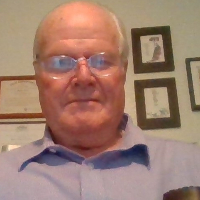
About Harold
Monson uses straightforward conversation and practical tools in sessions. He pays attention to what motivates behavior and helps people identify patterns that leave them feeling powerless. He often draws on what he calls "Displaced Power" theory to help clients move toward a greater sense of control and hope.
His background includes long-term work with people affected by sexual and physical trauma and with those who have substance use histories. He has experience in correctional settings, military family advocacy, domestic violence intervention, and outreach to underserved groups including LGBTQ+ people and communities of color. Those roles shaped his approach to complex life situations.
Monson earned a Bachelor of Science from Brigham Young University and an MS in Family and Human Development from Utah State University. He completed a Post-Master's Certificate in Marriage and Family Therapy and holds LMFT licensure in Utah and Washington. He has worked as an approved supervisor and is a clinical fellow with the American Association for Marriage and Family Therapy.
In practice he combines conversational listening with focused interventions from several approaches. Sessions aim to clarify what is getting in the way, practice new responses, and build skills for coping with change. He encourages practical steps that fit everyday life.
Areas of expertise
Primary focus
Also works with
Additional focus areas
Therapeutic approaches
Experience
25+ years
Credentials
Utah, Washington
Languages
English
Therapeutic approaches and remote sessions
Monson draws on Client-Centered Therapy to focus on respectful listening and to help people clarify their own goals. That approach is useful when someone wants a supportive place to talk through relationship or life changes.He also uses Cognitive Behavioral Therapy (CBT) to identify unhelpful thinking and practice different responses. CBT can be helpful for anxiety, depression, stress, and some coping skills related to chronic illness or caregiving challenges.
Finding the right approach is part of the work together. He will discuss options with each person and decide collaboratively which methods fit that person's concerns and preferences. That way sessions focus on practical steps the client wants to try.
The biography does not list specific online formats, so confirm current session options before booking. Many people find remote work makes it easier to fit sessions into a day, reduce travel time, or have shorter check-ins when needed. If you are arranging therapy from another country, note that he accepts international clients and you can review formats and scheduling during the intake process.
Frequently asked questions
What kinds of problems does he help with?
He helps people with relationship and family difficulties, addiction, trauma and abuse, grief, anxiety, depression, and concerns related to aging and geriatric issues, among others.
What is his therapy style like?
He uses open conversation and practical exercises. He focuses on understanding what drives behavior and shifting patterns that leave people feeling powerless.
How much clinical experience does he have?
He has 25 years of experience working in community, correctional, and military family settings and with people affected by substance use and sexual trauma.
What are his credentials and where is he located?
He is an LMFT licensed in Utah and Washington and practices from Utah.
Can sessions be conducted in other languages or internationally?
Sessions are offered in English and he accepts international clients.
What session formats does he use?
The original biography does not specify session formats; please confirm current session options before booking.
How much do sessions cost?
Cost varies with location and sessions use a subscription model that can be canceled at any time.
How do I begin working with him?
Start by selecting the See online therapy options button, complete a short matching questionnaire, and schedule a first session.