- Stress and anxiety
- Grief and bereavement
- Aging related concerns
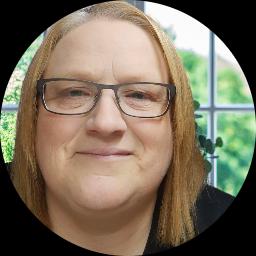
About Julie
Julie uses an integrative approach that draws on several established therapies. She can work with practical skills for coping, ways to examine unhelpful thinking, and exploration of attachment patterns from earlier relationships. Sessions aim to identify what is causing distress and find clearer ways to move forward.
Her background includes voluntary roles at a local mental health charity and paid work supporting people at a cancer hospice. That experience involved bereavement support and helping people with complex emotional responses to illness and loss. She has also worked with people facing addiction, suicidal ideation, and major life changes.
Julie holds a Certificate in Counselling and a Professional Diploma in Counselling and Psychotherapy, and she is studying further topics including criminology and eating disorders awareness. She follows the BACP Ethical Framework and lists additional short courses such as suicide and self-harm awareness and prevention.
Practical matters are discussed at the first appointment. Clients are invited to complete a short matching questionnaire and then schedule a first session. The focus in early work is on clear goals and simple steps to relieve immediate distress.
Areas of expertise
Also works with
Additional focus areas
Therapeutic approaches
Experience
4+ years
Credentials
BACP · United Kingdom, NCPS · United Kingdom
Languages
English
Therapeutic approaches and how online sessions work
Julie often uses Acceptance and Commitment Therapy (ACT) to help people notice thoughts and feelings without getting stuck in them, and to clarify personal values that guide practical steps. She also draws on Attachment-Based Therapy to look at how early relationship patterns can affect current relationships and caregiving roles.Finding the right approach is part of the work. The therapist will discuss goals, past experience of therapy, and what seems most helpful. This is a collaborative process and may combine elements from different approaches as needs become clearer.
Session formats are not detailed in the profile, so please confirm the available options before booking. Online work can make it easier to fit counselling around other commitments, shorten travel time and offer more flexible scheduling. Some clients prefer shorter check-ins or phone conversations when attention or bandwidth is limited, while others choose longer sessions for in-depth discussion. Registered or accredited professionals and therapists can help decide which format best matches a person’s goals and daily routine.
Frequently asked questions
What kinds of problems does she help with?
She works with stress, anxiety, depression, grief, relationship issues and related concerns such as caregiver stress and addiction.
What is her therapeutic style?
She uses an integrative approach drawing on CBT, ACT, attachment-based and existential ideas, and focuses on practical skills and talking through feelings.
How much clinical experience does she have?
She has four years of professional experience, including voluntary work at a local mental health charity and paid roles supporting people at a cancer hospice.
What credentials does she hold and where is she based?
She is a member of the British Association of Counselling and Psychotherapy (BACP) and holds NCPS recognition. She practises in the United Kingdom.
Can sessions be conducted in other languages?
Sessions are offered in English.
What session formats are available?
Please confirm current session formats before booking by using the online options, as formats are not specified in the profile.
How are fees handled?
Cost varies with location and sessions use a subscription that can be cancelled at any time.
How do I begin if I want to work with her?
Select the See online therapy options button, complete a short matching questionnaire, and schedule a first session.