- Relationship issues
- Trauma and abuse
- Grief and loss
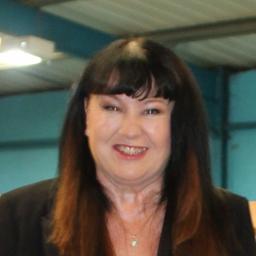
About Judith
Jude sees clients who are navigating caregiver stress, cancer, chronic illness or disability, and those dealing with abandonment and attachment difficulties. She has worked with people affected by autism and Asperger syndrome and with blended family and communication problems. She also supports people with career concerns and the practical and emotional effects of change later in life, including aging and geriatric issues.
Her background includes roles in sexual assault services and leadership posts in education and adult learning. She has experience working with men and women affected by sexual trauma and has run student counselling services and taught therapy for many years. These roles have shaped a practical, life-focused approach to therapy.
In sessions she treats people as the experts of their own stories and draws on approaches such as Acceptance and Commitment Therapy, Cognitive Behavioral Therapy and Dialectical Behavior Therapy. Jude aims to work collaboratively, helping clients talk through what matters to them and try small steps that fit their life.
She accepts international clients and works in English. To begin, clients are asked to complete a short matching questionnaire and then arrange a first session via the online booking route.
Areas of expertise
Primary focus
Also works with
Additional focus areas
Therapeutic approaches
Experience
27+ years
Credentials
BACP · United Kingdom
Languages
English
Therapeutic approaches and how they work online
Acceptance and Commitment Therapy (ACT) helps people notice unhelpful thoughts and focus on the values that matter to them. It is useful when life changes or chronic worries make it hard to get on with things. Cognitive Behavioral Therapy (CBT) looks at the links between thoughts, feelings and actions and offers practical steps to change unhelpful patterns. It can help with low mood, anxiety and sleep problems. Attachment-Based Therapy pays attention to relationship patterns and how early bonds affect current connections; it is often used when people struggle with intimacy or abandonment issues.Choosing the right approach is part of the work. The therapist will discuss options and help decide what fits your needs, goals and preferences. That decision is made together and can be reviewed as things change.
The original biography does not specify which online session formats are offered, so please confirm the current options before booking. Many people find remote sessions easier to fit around appointments, caregiving or medical routines, and some formats are simpler when bandwidth is limited or a shorter check-in is needed. Registered or accredited professionals can use online work to focus on practical coping skills, relationship patterns and managing distress without changing the aims of therapy.
Frequently asked questions
Which concerns does she work with?
She helps people with relationship problems, trauma and abuse, grief, bipolar disorder, addictions and many life changes including aging and geriatric issues.
What is her general therapy style?
She uses collaborative, person-focused methods and draws on approaches such as ACT, CBT, DBT and attachment-based work to address feelings, behaviour and relationships.
How long has she practised?
She has 27 years of professional experience working in counselling, education and clinical services.
What credentials and location are listed?
She is registered with the British Association for Counselling and Psychotherapy (BACP) and is based in the United Kingdom.
Which languages are supported?
Sessions are offered in English.
What session formats are available?
The original biography does not list specific session formats; please confirm current session options before booking.
How are fees handled?
Cost varies with location and sessions are provided through a subscription that can be cancelled at any time.
How do I start a first session?
Select the See online therapy options button, complete a short matching questionnaire and schedule your first session.