- Attachment patterns
- Emotion-focused work
- Caregiver stress
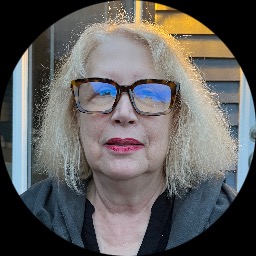
About Joyce
Her approach is practical and person-focused. She listens without judgment and helps people name what matters to them now. Sessions are aimed at finding realistic steps forward, whether the concern is mood, a relationship, or coping with changing roles.
Dr. Love draws on several therapy models when planning care. Attachment-based ideas help when relationship patterns matter. Client-centered work keeps the person's priorities central. Emotionally-focused methods are used when couples or intimate bonds need attention.
In practice she blends these approaches to fit each individual's needs, feelings, expectations, and goals. That might mean focusing on patterns from earlier life, trying new ways to communicate, or developing concrete coping skills for daily stress.
People often come with worries about caregiving demands, retirement transitions, or loss. Dr. Love uses her years of experience to offer steady, straightforward guidance as clients try new ways of handling those concerns. The aim is clearer choices and more manageable next steps.
Areas of expertise
Primary focus
Also works with
Additional focus areas
Therapeutic approaches
Experience
35+ years
Credentials
Florida, New York
Languages
English
Therapeutic approaches and working online
Attachment-based therapy looks at patterns in close relationships and how earlier bonds affect current connections. It can help when anxiety, abandonment fears, or communication patterns are getting in the way of feeling understood. Client-centered therapy focuses on the person's priorities and experience; the therapist listens closely and helps people clarify what matters to them and make practical choices. Emotionally-Focused Therapy (EFT) works with emotions and interactive patterns in close relationships, helping people identify underlying feelings and try new ways of responding.Finding the right approach is part of the work. Dr. Love will discuss these methods with the client and decide together which approach or combination fits the client's goals and situation. That collaborative planning happens in early sessions and can shift over time as needs change.
Session formats are not listed in this profile, so confirm the available online options before booking. In general, online sessions can make it easier to fit therapy into a day, cut travel time, allow shorter or longer check-ins when needed, and reduce the need to rearrange caregiving or work commitments. Licensed professionals and therapists use these formats to keep regular contact while focusing on progress in real life.
Frequently asked questions
What kinds of problems does she work with?
Dr. Love works with stress, anxiety, depression, relationship and intimacy issues, addictions, grief, coping with life changes, caregiver stress, ADHD, and aging and geriatric issues among other concerns.
How would you describe her therapeutic style?
She uses a person-focused, listening approach and combines methods such as attachment-based therapy, client-centered work, and emotionally-focused therapy to match a person's needs and goals.
How much clinical experience does she have?
She has 35 years of experience in clinical work and in applying varied therapy models to adults facing emotional and relational challenges.
What are her credentials and where does she practice?
She is an LMFT licensed in New York and Florida and practices from Florida.
Which languages are supported for sessions?
Sessions are offered in English.
Can international clients work with her?
She does not accept international clients at this time.
What are the session formats and how do I confirm them?
Session formats are not specified here; please confirm current session options before booking.
How are fees handled and how do I begin?
Cost varies with location and sessions use a subscription that can be canceled at any time. To begin, use the See online therapy options button, complete the short matching questionnaire, and schedule a first session.