- LGBT issues
- Grief and loss
- CBT and DBT techniques
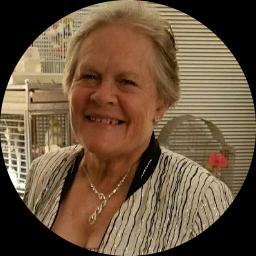
About Joan
She focuses on clear, practical conversation and on helping people find manageable steps forward. Sessions tend to emphasize understanding current problems, learning coping skills, and making concrete plans to address daily difficulties like sleep, stress, or relationship tensions. Joan uses approaches that include client-centered methods, cognitive behavioral tools, and dialectical behavior techniques.
Her experience includes supporting people through cancer, chronic illness, hospice and end-of-life concerns, and later-life issues connected to aging and geriatric care. She also helps with problems such as addiction, bipolar mood concerns, parenting strain, and compassion fatigue among caregivers and first responders.
Joan draws on decades of front-line work to help people sort priorities and set realistic goals. She listens for what is most pressing and works with each person to plan small, achievable steps. This practical style aims to reduce overwhelm and support steady progress.
People looking to begin can expect straightforward conversation about current struggles, skills to manage symptoms, and guidance on next steps. Joan communicates in English and practices under her Michigan LMSW credential.
Areas of expertise
Primary focus
Also works with
Additional focus areas
Therapeutic approaches
Experience
50+ years
Credentials
Michigan
Languages
English
How her therapeutic approaches fit with online work
Client-Centered Therapy focuses on listening and helping the person set their own goals. In online sessions this means Joan will follow your priorities and reflect what matters most to you. Cognitive Behavioral Therapy, or CBT, looks at thoughts and behaviors and teaches practical skills to reduce symptoms of anxiety, depression, and sleep trouble. Dialectical Behavior Therapy, or DBT, offers concrete skills for emotion regulation, distress tolerance, and improving relationships, which can help with anger, self-esteem, and caregiver stress.Finding the right approach is part of the work. Joan will talk with each person about goals, symptoms, and preferences, and together you will choose the methods that fit best. That collaborative process helps shape a plan that reflects what you want to change and how quickly you want to move.
The practical benefits of online therapy include easier fitting of sessions into busy days, shorter check-ins when needed, and options for quieter or lower-bandwidth contact. The specific session formats Joan offers are not listed here, so please confirm current session options before booking. Online sessions can make it simpler to continue care through health changes, caregiving duties, or during transitions in later life.
Frequently asked questions
What concerns does she address?
She helps people with grief, depression, trauma, anxiety, stress, addiction, relationship and intimacy issues, and many life changes including aging and geriatric issues.
How would you describe her therapeutic style?
Her style is practical and person-focused, emphasizing clear conversation, coping skills, and step-by-step planning rather than abstract theory.
How much experience does she have?
She brings 50 years of professional experience, including work as a registered nurse and as a Licensed Master Social Worker.
What are her credentials and where is she based?
She holds the LMSW credential and practices in Michigan.
Which languages are used in sessions?
Sessions are offered in English.
Can international clients work with her?
She does not accept international clients at this time.
How are session costs handled?
Cost varies with location and sessions use a subscription that can be canceled at any time.
How do I begin working with her?
Select the See online therapy options button, complete a short matching questionnaire, and schedule a first session.