- Relationship issues
- Caregiver stress
- Trauma-focused work
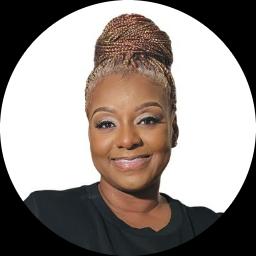
About Jataun
She approaches work in a straightforward way. She sees the person as the expert on their life and offers guidance to help untangle what feels heavy. Practical tools are part of the sessions. Those may include breathing and mindfulness exercises, journaling, short homework tasks, and cognitive-behavioral techniques.
In sessions she draws on trauma-focused therapy principles when relevant, helping people process difficult experiences and reduce their ongoing impact. She blends that with skills-based strategies so people can handle day-to-day stress better. Conversations are direct and focused on concrete steps clients can try between meetings.
Rollins began professional counseling work in 2002 and opened her private practice in 2012. Over time she has supported people with family of origin issues, blended family concerns, fatherhood questions, and forgiveness or guilt struggles. She also helps those wrestling with life purpose and financial worries.
Her approach aims to help clients regain clearer thinking and more manageable daily routines. She supports people who are caring for others, facing separation, or navigating later-life role changes. Those interested in working together will complete an initial matching questionnaire before scheduling a first session.
Areas of expertise
Primary focus
Additional focus areas
Therapeutic approaches
Experience
11+ years
Credentials
Illinois
Languages
English
Trauma-focused care and practical skills for online sessions
Trauma-focused therapy helps people name and process painful experiences so those memories interfere less with daily life. It often involves careful pacing, grounding exercises, and working on ways to reduce sudden reactions linked to past events.Skills-based strategies such as breathing exercises, mindfulness, journaling, and simple cognitive-behavioral techniques focus on immediate coping. These tools teach ways to manage stress, improve sleep or mood, and handle difficult conversations with family or caregivers.
Choosing an approach is a collaborative process. The therapist will talk with the client about goals and preferences and then suggest which methods to try first. Adjustments are made as needed so the plan fits what the person wants to work on.
The original biography does not list specific session formats, so confirm current online options before booking. Online work can make it easier to fit sessions into a busy week, reduce travel time, and allow shorter check-ins when needed. It can also let people involve a family member for a single meeting if that is useful. Licensed professionals and therapists can explain the practical steps for scheduling and preparing for remote sessions when you complete the matching questionnaire.
Frequently asked questions
What kinds of concerns does she address?
She works with relationship and family struggles, career issues, coping with life changes, and related topics such as caregiver stress, loneliness, and financial worries.
What is her therapeutic style?
She uses practical, skills-based steps alongside trauma-focused approaches when appropriate, including breathing, mindfulness, journaling, and homework tasks.
How much experience does she have?
She has worked in counseling since 2002 and has 11 years of private practice experience as an LCSW.
What are her credentials and location?
She is an LCSW licensed in Illinois and practices from that state.
Can I work with her in languages other than English?
Sessions are offered in English.
What session formats are offered?
The original biography does not list specific session formats; please confirm current session options before booking.
How are costs handled?
Cost varies with location and sessions use a subscription plan that can be canceled at any time.
How do I begin the process?
Use the See online therapy options button, complete a short matching questionnaire, and then schedule the first session.