- Grief and loss
- Caregiver stress
- CBT and ACT
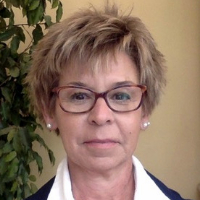
About Jane
Her style is practical and relational. She focuses on building trust first and then chooses methods that fit each person. Sessions emphasize clear goals, problem solving, and small steps people can try between meetings. The work is collaborative - the client’s experience guides the pace and focus.
Jane draws on several approaches to help people manage symptoms and life changes. Cognitive Behavioral Therapy (CBT) is used to spot unhelpful thoughts and try new behaviors. Acceptance and Commitment Therapy (ACT) helps people clarify values and take meaningful steps. Client-Centered Therapy offers a supportive listening stance while Dialectical Behavior Therapy (DBT) and psychodynamic ideas may come in when emotion regulation or past patterns are central.
Her background includes a Bachelor’s degree in psychology and a Master of Science in Social Work. She began clinical work in Memphis and has treated a broad range of concerns from hospice and end-of-life counseling to chronic mental illness. That range informs a practical approach to later-life problems and caregiver strain.
People often work with her when they face retirement changes, loss, caregiving demands, or shifts in health and family roles. She helps them sort priorities, manage distressing thoughts, and plan next steps that fit day-to-day life.
Areas of expertise
Primary focus
Also works with
Additional focus areas
Therapeutic approaches
Experience
25+ years
Credentials
North Carolina
Languages
English
Therapeutic approaches used online and how they help
Many of her sessions use cognitive behavioral ideas to identify thinking and behavior patterns that keep problems going. CBT focuses on practical steps to test new ways of thinking and acting, which can help with anxiety, sleep problems, and low mood. Acceptance and Commitment Therapy (ACT) is another common approach she draws on; ACT helps clarify what matters most and encourages small actions that align with those values. Client-Centered Therapy informs her listening style and keeps the conversation focused on the person’s priorities and experience.Finding the right mix of methods is a collaborative process. She works with each person to decide which approaches match their goals, needs, and preferences. That means trying a method, checking how it fits, and changing course if something else would be more useful.
The biography does not list specific session formats, so confirm current options before booking. In practice, online work can make it easier to fit sessions into a week, reduce travel time, and allow shorter check-ins when that suits a schedule. It can also make it simpler to involve tools and worksheets between meetings. Licensed professionals and therapists generally use online work to keep therapy practical and focused on daily life tasks and decisions.
Frequently asked questions
What kinds of concerns does she address?
She works with stress, anxiety, depression, grief, relationship issues, addiction, caregiver stress, aging and geriatric issues, and related concerns listed in her profile.
How would you describe her therapy style?
She focuses on building a trusting relationship and then uses practical, goal-focused work. Methods are chosen to fit the person rather than forcing a single approach.
How long has she been practicing?
She has 25 years of clinical experience working across a wide range of settings and issues.
What are her credentials and where does she practice?
She is an LCSW - Licensed Clinical Social Worker - licensed in North Carolina.
Can I work with her if I live outside the US?
She does accept international clients. Sessions are offered in English.
What session formats are available?
The original biography does not specify session formats. Confirm current session options before booking to know how sessions are offered.
How much do sessions cost?
Cost varies with location; sessions use a subscription that can be canceled at any time.
How do I get started?
Select the See online therapy options button, complete the short matching questionnaire, and schedule a first session.