- Stress and anxiety
- Grief and loss
- Caregiver support
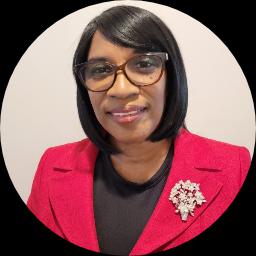
About Jacquelyn
Dr. Mentor draws on classroom training and decades of practice to keep sessions straightforward and practical. She listens, reflects, and helps people identify steps they can try between meetings. Sessions often include education about common reactions, discussion of coping options, and simple exercises to test what helps in everyday life.
Her background includes a Bachelor of Science, a Master of Science in Psychology, and an Ed.D. in Counseling Psychology. Those degrees are combined with long experience supporting people through loss, medical illness, caregiving roles, and relationship transitions. She notes personal experience with bereavement, caregiving, divorce and serious illness, which informs her understanding of later-life issues.
In practice she uses client-centered approaches alongside cognitive behavioral and solution-focused methods. She also has experience with trauma-focused work and provides resources clients can use on their own time. The focus is on clear goals, coping skills, and improving day-to-day functioning.
People seeking help with retirement adjustment, caring for an aging partner, coping with loss, or managing stress related to health and caregiving will find a practitioner familiar with those topics. Prospective clients should confirm current session options and scheduling details before booking.
Areas of expertise
Primary focus
Also works with
Additional focus areas
Therapeutic approaches
Experience
23+ years
Credentials
Florida
Languages
English
How her approaches are used in online sessions
Client-Centered Therapy focuses on listening and understanding the person's perspective. The therapist offers reflection and support while the client leads the topics; this approach helps with grief, relationship concerns, and life changes by clarifying what matters most to the client.Cognitive Behavioral Therapy (CBT) looks at how thoughts, feelings, and actions connect. Sessions include identifying unhelpful thinking patterns and practicing practical exercises to change behavior and mood. This method is commonly used for anxiety, depression, stress, and coping with medical or caregiving challenges.
Solution-Focused Therapy concentrates on small, achievable steps and short-term goals. It helps people who want concrete changes, like improving daily routines, managing caregiver stress, or addressing conflict with family members.
Choosing an approach is a collaborative process. The therapist will discuss goals, preferences, and what has or has not helped before. Together they will try methods and adjust the plan based on what works in practice.
Confirm the current session formats before booking because the profile does not list specific options. Online work can make it easier to fit sessions into a busy day, allow shorter check-ins when needed, and remove travel time. Therapists can assign brief exercises, share resources to use between meetings, and focus on practical steps you can use at home or while caring for a partner.
Frequently asked questions
What concerns does she work with?
She works with stress, anxiety, depression, grief, trauma and abuse, addictions, relationship and family issues, and aging and geriatric issues among other topics.
What is her therapy style?
Her style is client-centered with practical elements from cognitive behavioral therapy and solution-focused work. Sessions focus on discussion, problem solving, and simple skills to try between meetings.
How many years of experience does she have?
She has 23 years of clinical experience working with issues such as bereavement, caregiving, trauma, and family conflict.
What are her credentials and where is she based?
She is a Licensed Mental Health Counselor - LMHC - practicing in Florida.
Can sessions be conducted in other languages?
Sessions are offered in English.
Does she work with international clients?
She is not currently accepting international clients.
How are sessions paid for?
Cost varies with location; sessions use a subscription that can be canceled at any time.
How do I begin a first session?
Use the See online therapy options button, complete a short matching questionnaire, and schedule a first session.