- Attachment-based methods
- Cognitive behavioral therapy
- Brief therapy models
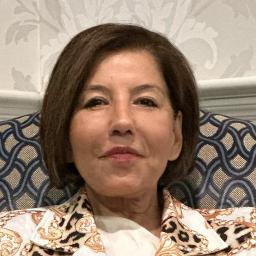
About Gagan
She uses approaches drawn from attachment-based work, client-centered methods, cognitive behavioral therapy (CBT), dialectical behavior therapy (DBT), and emotionally focused therapy (EFT). In sessions she discusses coping strategies, emotion regulation skills, and practical steps clients can try between meetings. She brings a long history of work in psychiatric and addiction settings and experience developing programs in schools and hospitals.
Dr. Luthra has a background treating addiction and related recovery models, and she offers brief therapy options for short-term concerns such as grief, anger management, stress, and aftermaths of sexual abuse. She has worked with LGBT clients and with relationship issues that affect household and school life.
She speaks English, Hindi, Punjabi, and Urdu, and she accepts international clients. The practice uses a subscription model for sessions, which can be canceled at any time. Cost varies with location.
To begin, a reader selects the See online therapy options button, completes a short matching questionnaire, and schedules a first session. Confirm current session formats before booking if you need a specific way to meet.
Areas of expertise
Primary focus
Also works with
Additional focus areas
Therapeutic approaches
Experience
38+ years
Credentials
New Jersey, New Jersey
Languages
English, Hindi, Punjabi, Urdu
How therapeutic approaches translate to online sessions
Attachment-based work focuses on how early and current relationship patterns affect feelings and behavior. In practice this means talking about important relationships, identifying patterns, and trying small changes in how someone connects with others. Cognitive Behavioral Therapy (CBT) looks at thoughts, feelings, and actions together. Sessions usually involve identifying unhelpful thoughts, testing them, and practicing different responses between meetings. Brief therapy models concentrate on a clear problem and a limited number of sessions, often 8 to 12, to create concrete change or relief.Finding the right approach is part of the work. The therapist will discuss goals, preferences, and what has helped or not helped before. Together they will decide which methods to emphasize and adjust as progress is made.
Practical benefits of online sessions include fitting appointments into a busy day and making it easier to meet when travel is difficult. The biography lists texting chat, phone calls, and video chats as offered communication options; confirm which of these are available before booking. Online sessions can also allow brief check-ins or follow-ups that take less time than an in-person visit, helping people maintain continuity of care while managing other responsibilities.
Frequently asked questions
What kinds of problems does she help with?
She works with stress, anxiety, addictions, depression, relationship and intimacy issues, grief, and aging and geriatric issues among other concerns.
What is her general therapeutic style?
Her work draws on attachment-based, client-centered, CBT, DBT, and EFT approaches to address emotions, behavior, and relationship patterns in practical ways.
How long has she been practicing?
She has 38 years of clinical experience, including roles in psychiatric and addiction settings and program work with schools and hospitals.
What are her credentials and where does she practice?
She is an LPC and a CSW, licensed in New Jersey, and sees people from that state and beyond.
Which languages are supported in sessions?
Sessions are offered in English, Hindi, Punjabi, and Urdu.
What session formats are available?
The biography mentions texting chat, phone calls, and video chats as options; confirm current session formats before booking.
How much do sessions cost?
Cost varies with location; sessions use a subscription that can be canceled at any time.
How do I get started?
Use the See online therapy options button, complete a short matching questionnaire, and schedule a first session through the platform.