- Stress and anxiety
- Caregiver support
- Grief and loss
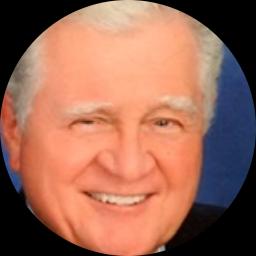
About Frederick
Smoot uses straightforward conversation and focused interventions. He listens to how a person describes a problem, then uses methods drawn from several approaches to address it. Sessions often include attention to thoughts and behavior patterns, practical steps to manage symptoms, and strategies to improve relationships.
His practice includes Acceptance and Commitment Therapy, cognitive behavioral techniques, client-centered conversation, mindfulness practices, and elements of the Gottman Method for relationship work. These tools are used to help with anxiety, grief, addiction, and communication problems among other concerns.
People who contact him can expect collaborative planning. Goals and steps for therapy are shaped together. The therapist emphasizes direct feedback and consistent presence in sessions while respecting each person’s pace and preferences.
Dr. Smoot also supports those dealing with caregiver strain, blended family issues, abandonment and attachment concerns, and difficulties tied to major life transitions. He accepts international clients and conducts therapy in English. To begin, prospective clients follow the practice’s online matching process and schedule a first session.
Areas of expertise
Primary focus
Also works with
Additional focus areas
Therapeutic approaches
Experience
5+ years
Credentials
California
Languages
English
Therapeutic approaches and working online
Acceptance and Commitment Therapy (ACT) focuses on identifying personal values and taking small meaningful actions even when uncomfortable thoughts or feelings are present. It can help with anxiety, grief, and coping with life changes by clarifying what matters and guiding behavior toward those values.Cognitive Behavioral Therapy (CBT) looks at the links between thoughts, feelings, and behavior. It uses practical exercises to change unhelpful thinking patterns and to build skills for managing anxiety, depression, and addiction-related urges.
Mindfulness Therapy involves simple attention and breathing practices to reduce reactivity and increase present-moment noticing. It can be useful alongside other methods for stress, compassion fatigue, and caregiver strain.
Finding the right approach is part of the work. The therapist will collaborate with the client to choose which methods fit their goals and preferences. That decision is reviewed over the first sessions and adjusted as needed based on progress and comfort.
Please confirm which session formats are currently offered before booking, since the biography does not list specific delivery methods. Online sessions can make it easier to schedule appointments around caregiving or medical visits, cut travel time, and allow shorter check-ins when a full hour is not needed. They can also let people take part from locations with quieter surroundings or lower bandwidth demands, depending on the chosen format.
Frequently asked questions
What kinds of problems does he address?
He works with stress, anxiety, depression, relationship and family issues, addiction, grief, caregiver concerns, and aging-related challenges.
What is his therapeutic style?
He uses direct, conversational work that combines listening with practical steps from several clinical approaches.
How much experience does he have?
He has five years of experience as an LMFT working with a range of concerns including intimacy issues, addiction, and life transitions.
Where is he licensed and based?
He is a California LMFT and practices from California.
Which languages are supported?
Sessions are offered in English and he accepts international clients.
What session formats are available?
Confirm current session options before booking, as the biography does not list specific formats.
How are fees handled?
Cost varies with location and sessions use a subscription that can be canceled at any time.
How do I begin working with him?
Select the See online therapy options button, complete a short matching questionnaire, and schedule a first session.