- Stress and anxiety
- Grief and trauma
- CBT and client-centered
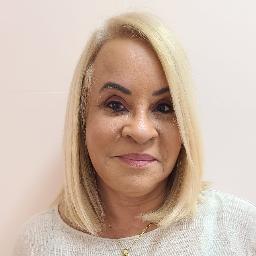
About Flora
Flora takes a goal-oriented approach in sessions. She focuses on practical strategies and techniques clients can use between meetings. Sessions look at current problems, identify small changes, and build skills for coping and decision making.
She draws from client-centered methods to keep the conversation focused on each person’s priorities. Cognitive Behavioral Therapy is used to spot unhelpful thoughts and test new behaviors. Solution-focused and mindfulness exercises are applied when the situation calls for concrete steps or grounding practices.
Flora has worked across many adult concerns, including addiction, trauma and abuse, bipolar disorder, ADHD, and compassion fatigue. She also addresses adoption and foster care, abandonment, cancer-related stress, blended family issues, divorce and separation, domestic violence recovery, and communication or commitment problems.
Sessions aim to help people strengthen coping, manage emotions such as anger or emptiness, and improve intimacy and self-esteem. She frames progress as practical changes clients can try and adjust as needed. The work is collaborative and centered on clear goals and measurable steps.
Areas of expertise
Primary focus
Also works with
Additional focus areas
Therapeutic approaches
Experience
25+ years
Credentials
Florida, New Jersey
Languages
English, Spanish
Approaches used and how online sessions fit
Client-centered therapy focuses on the person’s own goals and priorities. It gives space to talk through what matters and to set goals that feel realistic. Cognitive Behavioral Therapy (CBT) looks at patterns of thought and behavior. It helps people test new ways of thinking and try small behavioral changes that reduce anxiety or depression.Finding the right approach is part of the work. The therapist will discuss options and help choose methods based on your needs, goals, and preferences. That choice is a collaborative process that can change as progress is made.
Session formats are not specified in the biography, so confirm current options before booking. Online therapy can make scheduling easier and help fit sessions into a day without travel. It can also allow shorter check-ins when time is limited, or let someone choose a meeting type that does not require being on camera. Ask about available session formats when you complete the matching questionnaire or schedule the first appointment.
Frequently asked questions
What concerns does she help with related to later life?
She works with issues commonly faced in later life such as coping with life changes, grief, aging and geriatric issues, and caregiving stress. The list of specialties also includes depression, anxiety, and chronic illness related concerns.
What is her general therapy style?
Sessions are goal-oriented and practical. She uses client-centered discussion, CBT techniques, mindfulness practices, and solution-focused steps to help people make concrete changes.
How much experience does she have?
She has 25 years of professional experience working with adult concerns across many areas including trauma, addiction, and mood disorders.
What are her credentials and where does she practice?
She holds LMHC and LPC credentials and practices in Florida. The credentials are presented as LMHC and LPC and the location is Florida.
Can I speak with her in Spanish?
Yes. Sessions are offered in English and Spanish.
Does she accept clients outside the United States?
International clients are accepted. Confirm any cross-border details directly when scheduling.
How does payment work?
Cost varies with location and sessions are billed through a subscription that can be canceled at any time. Specific fees depend on the selected plan and location.
How do I begin if I want to work with her?
Start by selecting the See online therapy options button, complete a short matching questionnaire, and schedule a first session through the platform.