- Stress and anxiety
- Caregiver support
- Mindfulness and ACT
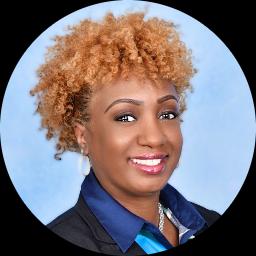
About Dwanne
She uses straightforward, solution-focused work to help people manage current difficulties. She draws on methods from Acceptance and Commitment Therapy, Cognitive Behavioral Therapy, Emotionally-Focused Therapy, Client-Centered Therapy, and mindfulness practices. That mix is used to help people notice patterns, try new behaviors, and build everyday coping skills.
Dwanne frames therapy as collaborative. She invites clients to describe what matters most and to test small changes between sessions. Conversations often include setting realistic goals, practicing new ways of relating, and addressing unhelpful thinking that increases stress or avoidance.
Her background combines social work practice with five years of delivering therapy services. She has worked with caregivers and people managing health-related change, including caregiving stress and issues that come up later in life such as planning transitions and grief linked to aging and geriatric issues. Her experience also covers adoption and foster care, attachment concerns, and relationship conflict.
People who work with Dwanne can expect direct talk about practical steps. She guides clients toward clearer decisions and manageable actions. To begin, readers are asked to follow the site’s matching and scheduling flow to arrange a first session.
Areas of expertise
Primary focus
Also works with
Additional focus areas
Therapeutic approaches
Experience
5+ years
Credentials
Florida, Georgia
Languages
English
How Dwanne Uses Therapy Approaches Online
Dwanne draws on Acceptance and Commitment Therapy and Cognitive Behavioral Therapy in her work. ACT focuses on identifying personal values and taking small, values-based steps even when thoughts or emotions are difficult. It can help when life changes or loss make decisions or motivation harder. CBT looks at unhelpful thinking and behavior patterns and teaches practical skills to reduce anxiety, improve sleep, and manage mood.She also uses client-centered and emotionally-focused ideas to support clearer communication in relationships. That work helps people notice how they respond to partners or family and practice different responses that reduce conflict and increase connection. The therapist will help clients explore which combination of approaches fits their goals and preferences. Finding the right approach is collaborative; she discusses options and adjusts methods based on what the client needs.
Session logistics are not specified in the profile, so confirm the available formats before scheduling. Online work can make it easier to fit therapy into a busy week, reduce travel time, and allow shorter check-ins when needed. It can also let someone join from a quieter place, avoid camera use if desired, or schedule sessions around caregiving duties. Discuss practical needs during the match and scheduling steps so sessions can be planned to fit everyday life.
Frequently asked questions
What kinds of concerns does she address?
She works with stress, anxiety, depression, relationship and family issues, grief, trauma, caregiver stress, aging and geriatric issues, and related concerns listed on her profile.
How would you describe her therapeutic style?
The approach is practical and collaborative, using CBT, ACT, EFT, client-centered techniques and mindfulness to help people try new behaviors and manage everyday problems.
How much clinical experience does she have?
She has five years of direct therapy experience working with adults on the issues above.
What are her credentials and where does she practice?
She is an LCSW and CSW licensed in Florida and practices from a Florida location.
Does she offer sessions in other languages or to international clients?
Sessions are offered in English and she is not accepting international clients at this time.
What session formats are available?
Session formats are not specified in the profile. Please confirm current session options through the site before booking.
How does payment and cost work?
Cost varies with location and sessions use a subscription model that can be canceled at any time.
What should I do to get started?
Select the See online therapy options button, complete the short matching questionnaire, and schedule your first session through the site.