- Cognitive Behavioral Therapy
- DBT skills
- Gottman informed work
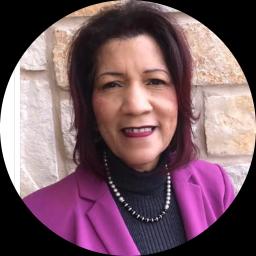
About Dianne
Dianne uses Cognitive Behavioral Therapy (CBT) as her main approach to help people name and reframe thoughts that get in the way of daily life. She also draws on Client-Centered principles and Dialectical Behavior Therapy skills when they fit a person’s needs. Her work focuses on practical tools and straightforward conversations rather than jargon.
In sessions she teaches concrete coping skills, communication techniques, and ways to manage intense emotions. For relationship concerns she incorporates elements of the Gottman Method and Emotionally-Focused Therapy to address interaction patterns and attachment concerns. She explains techniques clearly so people can try them between meetings.
Her background includes work with adults and older adults, and she has experience with family and marriage-related issues, including blended family dynamics and divorce. She uses motivational interviewing ideas to support people who are unsure about change or who struggle with addictive behaviors.
Dianne blends clinical training and practical application. She aims to help people handle immediate problems and build routines that reduce stress over time. Readers are encouraged to confirm session formats and scheduling details before booking.
Areas of expertise
Primary focus
Also works with
Additional focus areas
Therapeutic approaches
Experience
5+ years
Credentials
Texas
Languages
English
Approaches used and how online work is arranged
Dianne commonly uses Cognitive Behavioral Therapy and Client-Centered Therapy in her work. CBT focuses on identifying and changing thinking patterns that contribute to anxiety, depression, or anger, and it teaches practical coping strategies. Client-Centered Therapy emphasizes listening and working at the person’s pace so they can make their own choices about change.She also brings in Dialectical Behavior Therapy skills when people struggle with intense emotions or need concrete emotion-regulation tools. DBT skills teach distress tolerance, emotional regulation, and interpersonal effectiveness that can help with relationship tension, self-harm risk factors, or chronic emotional dysregulation.
Finding the right approach is part of the work together. The therapist will discuss goals, preferences, and daily challenges and then suggest which methods to try. This collaborative process means approaches can shift as needs change.
The biography does not specify exact session formats, so confirm current options before booking. Online sessions can make it easier to fit therapy into the day, reduce travel time, and allow for shorter check-ins when schedules are tight. If video is difficult, many licensed professionals can offer alternatives that suit quieter surroundings or lower bandwidth needs; confirm what this therapist provides when arranging your first appointment.
Frequently asked questions
What kinds of concerns does she work with?
She works with stress, anxiety, depression, grief, relationship concerns, addictions, caregiver stress, aging and geriatric issues, trauma, and related problems.
What is her general therapy style?
She uses Cognitive Behavioral Therapy as a primary method and integrates Client-Centered and Dialectical Behavior Therapy skills when useful.
How much experience does she have?
She has five years of clinical experience as a Licensed Professional Counselor.
Where is she licensed and practicing?
She holds an LPC credential in Texas and practices in that state.
Can I work with her if I live outside the United States?
Sessions are offered in English and she does not accept international clients at this time.
What session formats are available?
Confirm current session formats before booking, as the biography does not list specific options.
How much do sessions cost?
Cost varies with location; sessions use a subscription that can be canceled at any time.
How do I get started with scheduling?
Select the See online therapy options button, complete a short matching questionnaire, and schedule a first session.