- Stress and anxiety
- Caregiver stress
- CBT and mindfulness
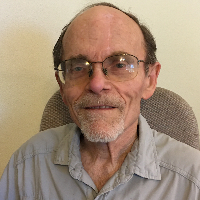
About David
He treats people as the experts on their own lives and focuses on practical, everyday steps. Sessions are collaborative and aimed at clarifying goals, building on strengths, and developing concrete skills. He uses approaches that include client-centered work, cognitive behavioral strategies, mindfulness, motivational interviewing, and solution-focused techniques.
In sessions he helps people talk through difficult feelings, manage symptoms, and set short-term goals. He pays attention to life transitions such as retirement, changing health, loss, and shifting family roles. He also addresses problems like sleep disturbance, anger, isolation, and struggles with purpose.
David draws on decades of community mental health practice. He aims for steady progress through regular work in therapy and practical exercises between sessions. He respects each person’s background and tries to be straightforward about steps people can take to feel better.
People who want to explore coping with life changes, caregiving stress, or relationship difficulties often find his approach focuses on clear steps and usable tools. He offers sessions in English and practices in Washington state as an LICSW.
Areas of expertise
Primary focus
Also works with
Additional focus areas
Therapeutic approaches
Experience
40+ years
Credentials
Washington
Languages
English
Therapeutic approaches and working online
David uses client-centered therapy to prioritize the person’s goals and perspective, helping them set priorities and make decisions that fit their life. Cognitive Behavioral Therapy (CBT) is used to identify unhelpful thoughts and test practical behavior changes that can reduce symptoms like anxiety or sleep problems. Mindfulness Therapy helps people develop simple attention and breathing practices to manage stress and reactivity.Choosing the right approach is part of the work together. He will talk with each person about what methods seem useful and adapt the plan based on needs, goals, and preferences. The course of therapy is collaborative and reviewed as progress is made.
Confirm the current session options before booking, as the therapist’s formats are not specified here. Online work can make it easier to fit appointments into a busy week, avoid travel when mobility or health are factors, and use shorter check-ins when that better matches a daily routine. It can also allow people to practice skills in familiar surroundings and bring specific life situations into session for problem solving.
Frequently asked questions
What concerns does he work with related to later life?
He supports people with aging and geriatric issues, caregiving stress, grief, loneliness, retirement changes, and related family role shifts.
What is his general therapy style?
He practices client-centered work that emphasizes the person’s goals, and combines practical methods like cognitive behavioral and solution-focused approaches.
How much clinical experience does he have?
He has 40 years of direct clinical experience working in community mental health and related settings.
What credential and location should I note?
He is an LICSW practicing in Washington state, listed as WA LICSW LW.
Which languages are supported for sessions?
Sessions are offered in English.
Can international clients work with him?
International clients are not currently accepted.
How are fees handled?
Cost varies with location; sessions use a subscription that can be canceled at any time.
What do I need to do to begin?
Select the See online therapy options button, complete the short matching questionnaire, and schedule a first session.