- Stress and anxiety
- Grief and loss
- CBT and ACT methods
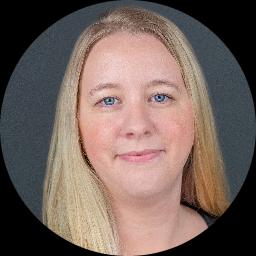
About Danica
She meets each person as an individual and asks about the problems that matter most. Danica blends education about mental health with hands-on therapy tools clients can practice between sessions. She names and teaches skills, then checks how those skills fit into everyday life.
Her methods draw on cognitive behavioral techniques to change unhelpful thinking and behavior. She uses acceptance and commitment ideas to help people clarify values and move toward them. Attachment-focused work looks at how relationships shape reactions and healing.
Sessions are active and directive when needed, with space for listening and reflection. Danica aims to help clients develop practical coping strategies for sleep, eating, substance use, anger, and chronic illness or pain. She also supports people working through identity and intimacy-related concerns.
Clients can expect plain language, clear goals, and homework-style practices to try between meetings. The focus is on skills that fit into daily routines and on making steady, manageable changes. For anyone dealing with later-life transitions or caregiving shifts, she includes those issues alongside other concerns.
To begin, visitors should follow the site steps to match and schedule a first appointment. The counselor’s Florida LMHC credential is shown to indicate professional standing.
Areas of expertise
Primary focus
Also works with
Additional focus areas
Therapeutic approaches
Experience
8+ years
Credentials
Florida
Languages
English
How Danica’s approaches translate to online work
Acceptance and Commitment Therapy (ACT) encourages people to notice thoughts and feelings without getting stuck in them, and to choose small actions that reflect what matters. This can help with anxiety, depression, and coping with life changes. Cognitive Behavioral Therapy (CBT) focuses on changing patterns of thinking and behavior that keep problems going, which is useful for sleep, eating, addictions, and anger. Attachment-Based Therapy looks at relational patterns and how early and current relationships shape reactions; it can be helpful for intimacy issues, communication problems, and grief.Finding the right approach is part of the work. The therapist will talk with the client about goals, daily routines, and preferences, then try methods that fit. That process is collaborative and may shift as needs change.
Session formats are not listed in the biography, so confirm current options before booking. Online work can make it easier to fit sessions into a busy day, reduce travel time, and allow shorter check-ins when schedules demand. Phone sessions may use less data and be simpler to join, while video sessions allow visual cues and longer therapeutic work. Danica uses skills-based homework and psychoeducation, which can be practiced between meetings to extend progress into everyday life.
Frequently asked questions
What kinds of problems does she help with?
She works with stress, anxiety, depression, addictions, relationship and family concerns, grief, and life transitions. Aging and geriatric issues are listed among her focus areas.
What is her therapy style like?
Her style combines listening with active, directive work. She teaches practical skills and asks clients to try them between sessions.
How much clinical experience does she have?
Danica has eight years working in the mental health field with individuals and families.
What credential does she hold and where is she based?
She is a Florida LMHC and practices from Florida.
Are sessions offered in other languages or internationally?
Sessions are offered in English and she accepts international clients.
Which session formats are available?
Please confirm current session options before booking, as the biography does not list specific formats on file.
How are fees handled?
Cost varies with location and sessions use a subscription model that can be canceled at any time.
What are the first steps to start working together?
Select the See online therapy options button, complete the short matching questionnaire, and schedule a first session.