- Depression and anxiety
- Grief and loss
- Caregiver stress
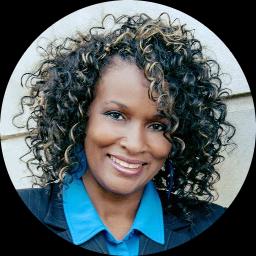
About Cynthia
Cynthia uses straightforward talk and practical tools in sessions. She shapes conversations and plans around what each person brings. That can include coping skills for strong emotions, steps for managing daily routines, or communication strategies for tense family interactions.
Her approach draws on several evidence-informed methods. She uses Acceptance and Commitment Therapy to help people name values and take small meaningful steps. Cognitive Behavioral Therapy is used to spot unhelpful thinking and build different habits. Elements of Dialectical Behavior Therapy and Emotionally-Focused Therapy appear when emotion regulation or relationship patterns are the focus.
Cynthia supports people dealing with life transitions that often come later in life, such as retirement, changing health, caregiving responsibilities, and loss. She also helps those managing ongoing mood conditions and addiction-related struggles.
Sessions are conversational and goal-oriented. Clients can expect clear suggestions, practical exercises, and check-ins on progress. To begin, visitors are asked to complete a short matching questionnaire and schedule a first session through the site.
Areas of expertise
Primary focus
Also works with
Additional focus areas
Therapeutic approaches
Experience
5+ years
Credentials
Florida
Languages
English
How her therapeutic approaches work online
Acceptance and Commitment Therapy (ACT) helps people name what matters to them and take small actions that match those values. It is useful for anxiety, low mood, and coping with life changes by focusing on meaningful steps rather than only on symptom reduction.Cognitive Behavioral Therapy (CBT) looks at how thoughts affect feelings and behavior. Sessions often include simple exercises to test unhelpful beliefs and build different habits that reduce anxiety or depressive symptoms.
Dialectical Behavior Therapy (DBT) provides practical skills for managing intense emotions and improving interpersonal effectiveness. That can be helpful when anger, relationship conflict, or impulsive behaviors are causing trouble.
Finding the best approach is a collaborative process. Cynthia will talk with each person about their goals, try methods that fit those goals, and adjust plans based on what works. The plan evolves through discussion and short skill practice between sessions.
The biography does not list specific session formats, so confirm current options before booking. Online work can make it easier to fit therapy into a busy day, reduce travel time, and allow shorter check-ins when needed. Some approaches translate well to video or phone conversations, and exercises or worksheets can be used between meetings to reinforce new skills.
Frequently asked questions
What kinds of concerns does she work with?
Cynthia works with depression, anxiety, trauma and abuse, bipolar disorder, addictions, relationship and family issues, grief, and aging and geriatric issues among other concerns.
What is her general approach in sessions?
She uses conversational, goal-focused therapy drawing on ACT, CBT, DBT, and Emotionally-Focused Therapy to address emotions, thinking patterns, and relationship dynamics.
How much clinical experience does she have?
She has five years of professional work experience as a practicing clinician in Florida.
What are her credentials and where does she practice?
She is a Florida LMHC and practices from Florida.
Does she offer sessions in other languages or to international clients?
Sessions are offered in English and she accepts international clients.
What session formats are available?
Specific session formats are not listed in the biography; please confirm current session options before booking.
How does pricing work?
Cost varies with location. Sessions use a subscription model that can be canceled at any time.
How do I get started with therapy?
Select the See online therapy options button, complete a short matching questionnaire, and schedule a first session.