- ACT and CBT methods
- Relationship issues
- Aging and geriatric issues
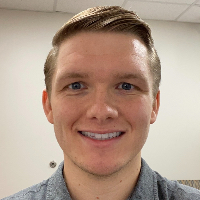
About Christopher
McKethan trained at the University of South Carolina, graduating in 2016, and has worked across several clinical settings. That range of experience includes coordinating programs at an intensive community mental health clinic serving people with severe and persistent mental illness. This background informs his work with complex or long-standing problems.
His approach mixes Acceptance and Commitment Therapy (ACT), Cognitive Behavioral Therapy (CBT), Emotionally-Focused Therapy (EFT), Client-Centered Therapy, and Mindfulness Therapy. Sessions tend to focus on what people are experiencing now, practical strategies, and clarifying values and goals.
He describes an interactive style that emphasizes building a working relationship and addressing immediate concerns. People can expect conversations about coping skills, communication patterns, and steps to manage mood, stress, or relationship strain.
McKethan has experience across the lifespan and has worked with individuals and in collaborative settings involving couples and families. He notes that beginning therapy takes effort and motivation, and he aims to help clients use their strengths to make steady progress.
Areas of expertise
Primary focus
Also works with
Additional focus areas
Therapeutic approaches
Experience
5+ years
Credentials
South Carolina
Languages
English
How Christopher uses therapy approaches online
Acceptance and Commitment Therapy (ACT) helps people clarify what matters to them and take small steps toward those values, often useful for anxiety, stress, and life changes. Cognitive Behavioral Therapy (CBT) focuses on practical skills to change unhelpful thinking and behavior patterns, which can help with depression and anxiety. Emotionally-Focused Therapy (EFT) centers on understanding and reshaping emotional responses within relationships to improve connection and communication.Finding the right approach is part of the work. Christopher will collaborate with clients to choose methods that fit their goals and preferences. That means discussing what feels useful, trying techniques, and adjusting direction based on how sessions go.
The biography does not specify which online session formats are offered, so confirm current options before booking. Online work can make it easier to fit sessions into a busy week, allow shorter check-ins when needed, and reduce travel time for caregivers or those managing health appointments. Therapists can also use mindfulness exercises, values-guided planning, and CBT skill practice effectively through remote sessions, helping people apply strategies between meetings.
Frequently asked questions
What concerns does he work with?
He lists stress, anxiety, trauma, depression, relationship and intimacy issues, grief, and life transitions among his primary concerns.
How would you describe his therapeutic style?
He uses a mix of Acceptance and Commitment Therapy, CBT, Emotionally-Focused and Client-Centered approaches, along with mindfulness techniques, focusing on practical strategies and values-based work.
What is his background and experience?
He graduated from the University of South Carolina in 2016 and has five years of clinical practice, including coordinating an intensive community mental health program.
What are his credentials and location?
He is a Licensed Independent Social Worker, SC LISW, based in South Carolina.
Does he provide sessions in other languages or to international clients?
Sessions are offered in English, and he does accept international clients.
What session formats are available?
The original biography does not list specific session formats; please confirm current session options before booking.
How are fees and billing handled?
Cost varies with location and sessions use a subscription that can be canceled at any time.
How do I get started?
Select the See online therapy options button, complete the short matching questionnaire, and schedule a first session.