- Stress and anxiety
- Caregiver support
- Couples communication
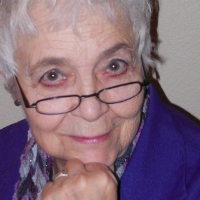
About Carol
She uses practical, conversational methods in sessions. Conversations focus on what is causing distress and what can be done next. She draws on client-centered work to listen deeply and on cognitive behavioral techniques to identify thoughts and routines that maintain problems.
Her approach also includes elements of dialectical behavior therapy to teach emotional regulation skills. Emotion-focused work helps couples and individuals look at attachment and relational patterns. Existential ideas are used when people want to talk about meaning, loss, or big life changes.
Dr. Carrell has experience with LGBTQI concerns, adolescent issues, and clients affected by trauma, abuse, and addiction. She has worked with caregivers and families managing chronic medical needs and the stress that follows. She is comfortable talking with people about coming out, communication problems, blended family issues, and codependency.
Sessions aim to identify clear, manageable steps. She helps people set goals, practice new ways of communicating, and build skills to cope with stress. Those interested should confirm session formats and scheduling details before booking.
Areas of expertise
Primary focus
Also works with
Additional focus areas
Therapeutic approaches
Experience
30+ years
Credentials
California, Arizona
Languages
English
How her approaches translate to online work
Client-centered therapy focuses on listening and reflecting so the client feels understood. Online sessions using this approach concentrate on clear communication, active listening, and helping people name their concerns so they can set goals.Cognitive Behavioral Therapy (CBT) looks at thoughts and behaviors that keep problems going. In online sessions CBT often includes setting homework, tracking patterns between meetings, and practicing specific skills to reduce anxiety or improve sleep.
Dialectical Behavior Therapy (DBT) supplies concrete skills for emotion regulation and interpersonal effectiveness. When used online it can offer short skills coaching, step-by-step practice, and tools to manage intense feelings or relationship conflict.
Finding the right approach is part of the work. The therapist will talk with the client about goals and preferences and choose methods together. This collaborative decision helps match techniques to the concerns, whether those are caregiving stress, grief, or communication problems.
Confirm current session options before booking, as formats are not specified here. Online therapy can make it easier to fit sessions into a busy schedule, allow for shorter check-ins when needed, and avoid travel time. Discussing practical details during the first contact clarifies what will work best for everyday life.
Frequently asked questions
What concerns does she address?
She works with stress, anxiety, depression, grief, trauma, addiction, relationship and family issues, and aging and geriatric concerns.
What is her therapy style?
She combines client-centered listening with practical techniques from CBT, DBT skills, and emotion-focused work to address symptoms and relationship patterns.
How much clinical experience does she have?
She has 30 years of experience in counseling and clinical supervision.
What are her credentials and where is she based?
She is an LMFT licensed in California and practices from that state.
Which languages are used in sessions?
Sessions are offered in English.
Can international clients work with her?
She is not accepting international clients at this time.
How are sessions paid for?
Cost varies with location; sessions use a subscription that can be canceled at any time.
How do I begin working with her?
Use the See online therapy options button, complete a short matching questionnaire, and schedule a first session.