- Stress and anxiety
- Relationship communication
- Caregiver and aging
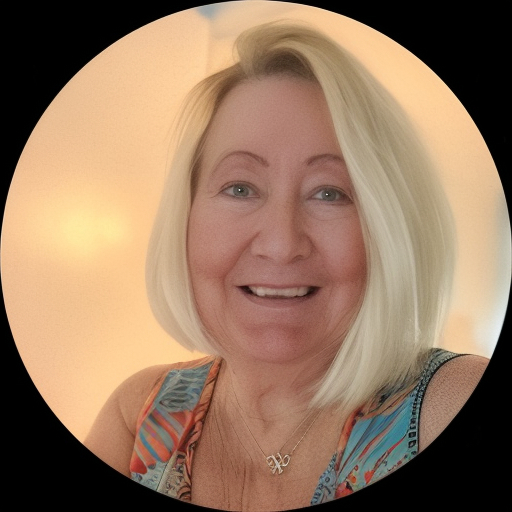
About Anna
Anna uses straightforward methods to help people set goals and make practical changes. She draws on client-centered listening to understand what matters to each person. She also uses cognitive behavioral techniques to spot and change unhelpful thinking. Dialectical behavior ideas and mindfulness practices are part of her work when emotion regulation or distress tolerance are needed.
In sessions she explains skills and offers psychoeducation so people can use tools between meetings. She focuses on motivation for change, clearer communication, and managing everyday stressors. That includes support for later-life concerns such as caregiving strain, adapting to health changes, and grief tied to aging and geriatric issues.
Her style is direct and practical. She helps people break problems into small steps and track progress. Many people come with a mix of issues, and she combines methods to match those needs.
Anna asks people to identify goals early on so sessions stay focused. She encourages options that fit a person’s life and routines. To begin, prospective clients complete a short questionnaire and schedule an initial meeting.
Areas of expertise
Also works with
Additional focus areas
Therapeutic approaches
Experience
26+ years
Credentials
Florida
Languages
English
How her approaches guide online work
Client-Centered Therapy focuses on listening and understanding what matters to the person. In online sessions that means the therapist reflects concerns, clarifies goals, and supports the person in setting practical steps. Cognitive Behavioral Therapy, or CBT, looks at thoughts and behaviors and teaches skills to change unhelpful patterns. Online CBT often uses brief exercises, homework, and skill coaching for worry, sleep problems, or mood. Dialectical Behavior Therapy, DBT, emphasizes emotion regulation, distress tolerance, and interpersonal effectiveness. Elements of DBT and mindfulness can help people manage strong emotions and relationship conflicts.Finding the right approach is part of the work together. The therapist will discuss goals, preferences, and which tools seem most helpful. This is a collaborative process and adjustments are made as needs change over time.
Session formats are not listed in the biography, so confirm current options before booking. Many people choose remote sessions because they fit into daily routines more easily, allow shorter check-ins when needed, or avoid travel time. Online meetings can make it simpler to practice skills between sessions and to involve focused homework and psychoeducation that supports change.
Frequently asked questions
What kinds of concerns does she help with?
She works with stress, anxiety, addictions, grief, self-esteem, relationship and intimacy concerns, sleep problems, anger, ADHD and related issues. She also offers support for caregiver stress and aging and geriatric issues.
What is her therapeutic style?
Her approach is practical and goal-focused. She uses client-centered listening alongside cognitive behavioral and dialectical behavior methods and mindfulness skills.
How much experience does she have?
She has 26 years of counseling experience working with a wide range of concerns and life changes.
What credential does she hold and where is she based?
She is an LMHC and practices in Florida.
Which languages are sessions offered in?
Sessions are offered in English.
Can I have sessions from outside the United States?
She is not accepting international clients at this time.
How are costs handled?
Cost varies with location and sessions use a subscription that can be canceled at any time.
How do I begin a first session?
Start by selecting the See online therapy options button, completing a short matching questionnaire, and scheduling your first session.