- Stress and anxiety
- Caregiver support
- Trauma-informed methods
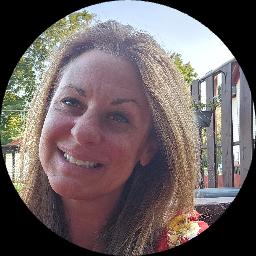
About Amy
She focuses on practical steps clients can use between sessions. Amy uses approaches such as Cognitive Behavioral Therapy and Dialectical Behavior Therapy alongside solution-focused strategies. That means sessions often include identifying patterns, trying small changes, and learning skills for managing strong emotions.
Amy also works with people dealing with adoption and foster care concerns, abandonment, attachment issues, and blended family dynamics. She helps with caregiver stress and the emotional impact of chronic illness and disability. Conversations cover both immediate problems and longer-term coping plans.
When relationships are strained, she can talk through communication problems, commitment worries, and how to rebuild trust. For those facing career shifts, retirement questions, or changing roles in later life, sessions look at practical decision-making and goal-setting.
Amy’s approach is direct and task-oriented. She helps people set clear goals and track progress. To begin, users are asked to complete a short matching questionnaire and then schedule a first session.
Areas of expertise
Primary focus
Also works with
Additional focus areas
Therapeutic approaches
Experience
20+ years
Credentials
New York
Languages
English
Approaches used and how online sessions work
Amy draws on Cognitive Behavioral Therapy to help people spot unhelpful thinking and try practical changes that reduce anxiety and depression. CBT focuses on the link between thoughts, feelings and behaviors and is often used for stress, mood and some relationship problems.She also uses Dialectical Behavior Therapy skills to teach emotion regulation, distress tolerance, and clearer communication. DBT techniques can help when emotions feel overwhelming or when interactions keep escalating.
Finding the right method is part of the work together. The therapist and client review problems, goals, and preferences and then choose which approaches to try. This is a collaborative process and may change as needs evolve.
The profile indicates international clients are accepted, but session formats are not specified in the biography. Confirm the available online session options before booking. Many people find remote sessions useful for fitting appointments into busy routines, shortening travel time, and keeping regular contact during caregiving or health changes. Ask about session length and any technical needs when you schedule your first appointment.
Frequently asked questions
What concerns does she address?
She works with stress, anxiety, depression, grief, trauma and abuse, relationship and family issues, addiction, intimacy and self-esteem concerns. Aging and caregiver issues are listed among her focus areas.
What is her therapeutic style?
She uses practical, skills-based approaches including Cognitive Behavioral Therapy, Dialectical Behavior Therapy and solution-focused work. Sessions typically involve identifying patterns and trying concrete strategies.
How much clinical experience does she have?
She has 20 years of professional experience in clinical work.
What are her credentials and where is she based?
She is a New York LCSW-R and practices from New York.
Does she offer sessions in other languages?
Sessions are offered in English.
Can I do sessions remotely or internationally?
The profile notes she accepts international clients. Confirm current session formats and geographic limits before booking.
How are sessions paid for?
Cost varies with location and sessions use a subscription that can be canceled at any time.
How do I begin working with her?
Select the See online therapy options button, complete the short matching questionnaire, and schedule your first session.