- Anxiety and depression
- Caregiver stress
- Intimacy and sex
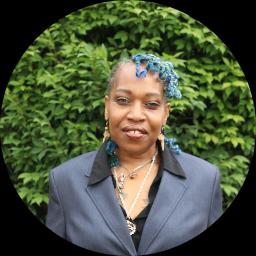
About Zelma
She helps people facing life changes, such as retirement transitions, caregiving stress, and shifts in family roles. She also supports those managing mood conditions, bipolar disorder, ADHD-related struggles, and chronic health or pain issues. Zelma talks through practical steps and coping strategies rather than using dense clinical language.
In sessions she aims to create a straightforward, nonjudgmental environment where thoughts and feelings can be named and worked on. Conversations often cover communication skills, problem solving, and managing strong emotions like anger or guilt. She also addresses career concerns and motivation when those affect day-to-day wellbeing.
Zelma has worked with people dealing with intimacy and sexual concerns, including BDSM and kink topics, and with blended family and parenting pressures. She supports caregivers who feel overwhelmed and adults facing attachment or commitment worries.
Her style is results-oriented and pragmatic. Clients can expect clear discussion, goal-setting, and steps to try between meetings. To begin, clients follow the site’s matching and scheduling process and pick a first session that fits their needs.
Areas of expertise
Primary focus
Also works with
Additional focus areas
Experience
7+ years
Credentials
North Carolina, Texas
Languages
English
Therapeutic approaches and online sessions
Two common evidence-based approaches she uses are cognitive methods and problem-focused techniques. Cognitive methods look at unhelpful thoughts and how they affect mood and behavior, helping with anxiety, depression, and managing worry. Problem-focused techniques break down everyday problems into small steps and practical tasks, which helps with caregiving stress, relationship issues, and adjustment to life changes.She also works with emotion-focused strategies that help people name feelings and practice tolerating strong emotions like grief, anger, or shame. These approaches are used to build concrete skills people can try between meetings, rather than only talking about feelings.
Finding the right approach is part of the work together. The therapist will collaborate with each person to pick methods that match their goals, needs, and preferences. That means trying options, checking what helps, and adjusting the plan as practical needs change.
The original biography does not list which session formats are offered, so confirm current options before booking. Online work can make it easier to fit sessions into daily life, for example when travel is difficult or schedules are tight. Phone sessions can be a shorter check-in when video is not necessary, and video can allow for face-to-face conversation when that matters. Many people find remote sessions useful for steady support while managing caregiving, health changes, or mobility limits.
Frequently asked questions
What kinds of concerns does she address?
She works with anxiety, depression, relationship and intimacy issues, grief, trauma, LGBT matters, caregiver stress, and aging and geriatric issues among other concerns.
How would you describe her approach in sessions?
Her approach is practical and straightforward, focusing on clear steps, communication skills, and coping strategies to use between sessions.
How much clinical experience does she have?
She has seven years of professional work experience as a counselor in clinical settings.
What are her credentials and where is she based?
She holds LCMHC and LPC credentials and is licensed in North Carolina and Texas. She practices from North Carolina.
Which languages are offered for sessions?
Sessions are offered in English.
Can international clients work with her?
International clients are accepted.
What session formats are available?
The original biography does not list specific session formats. Please confirm current session options before booking.
How are fees and the subscription handled?
Cost varies with location and sessions use a subscription that can be canceled at any time.