- Attachment approaches
- Cognitive behavior work
- Mindfulness methods
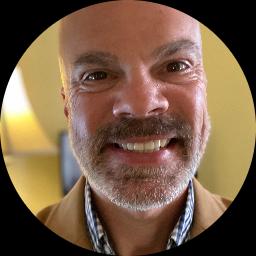
About Vaughn
He treats therapy as a practical collaboration. Sessions focus on feelings, thoughts, and behaviors and use concrete tools to help people make changes. He often draws on attachment ideas and cognitive-behavioral methods to clarify patterns in relationships and daily routines.
Over three decades as a therapist and university professor shaped his approach. He brings experience with several clinical methods including Client-Centered Therapy, Emotionally-Focused Therapy, and Mindfulness practices. He also mentions using creative exercises, sometimes involving photography, to help people reflect and shift perspective.
Dr. DeCoster frames the person in the center of treatment and treats them as the expert on their life. He works in a collaborative way, trying different strategies until something proves useful. Sessions are adapted to factors like time and practical needs so work can fit into busy lives.
People reach out for help with common later-life themes - retirement transitions, caring for a partner, loss, loneliness, and changing family roles. His work aims to strengthen coping, reduce distress, and help people reorient to meaningful day-to-day living.
Areas of expertise
Primary focus
Also works with
Additional focus areas
Therapeutic approaches
Experience
31+ years
Credentials
Arkansas
Languages
English
Therapeutic approaches and how online work can fit
Dr. DeCoster uses Attachment-Based Therapy to look at how earlier relationship patterns shape current connections and closeness. This approach can help with relationship strain, intimacy concerns, and feeling alone in later life.He also uses Cognitive Behavioral Therapy, a method that links thoughts, feelings, and behaviors and offers practical exercises to reduce anxiety, manage depressive symptoms, and change unhelpful habits. Client-Centered Therapy is part of his mix too, which emphasizes listening closely and adapting sessions to what matters most to the person.
Finding the right approach is part of the work. He will discuss goals and preferences with each person and together experiment with methods until something fits. That collaborative process guides choices about techniques and session focus.
If you are considering online sessions, confirm current session options before booking since formats are not specified here. Online work can make it easier to fit therapy into busy schedules, allow shorter check-ins when needed, and reduce travel time for people caring for others or dealing with health changes. Talk with him about what you need and he will help match the approach and format to your situation.
Frequently asked questions
What kinds of problems does he work with?
He helps people with stress, anxiety, depression, relationship strain, trauma and intimacy-related issues, and concerns often linked to later life such as grief, caregiver stress, and aging and geriatric issues.
What is his general therapeutic style?
He practices in a collaborative, practical way that focuses on feelings, thoughts, and behaviors. He tries different strategies and uses tools to find what helps in daily life.
How much clinical experience does he have?
He has 31 years of clinical experience working as a clinician and university professor and has applied that background to a range of emotional and relationship issues.
What are his credentials and where is he based?
He is a licensed clinical social worker - AR LCSW - and practices in Arkansas.
Which languages are supported in sessions?
Sessions are offered in English.
Can international clients work with him?
He does not work with international clients at this time.
How are sessions billed?
Cost varies with location and sessions use a subscription model that can be canceled at any time.
How do I begin a first session?
Select the See online therapy options button, complete a short matching questionnaire, and schedule a first session.