- Stress and anxiety
- Aging and caregiver stress
- CBT and ACT approaches
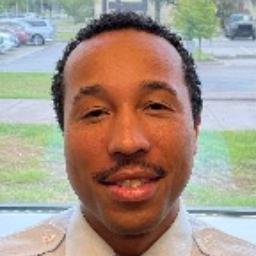
About Tyerell
He describes his way of working as collaborative. Sessions are framed as a partnership where the client and therapist set goals and try different approaches to reach them. He emphasizes that change takes commitment and repeated effort, and he invites people who are ready to begin that work.
In practice he uses a mix of therapies including Acceptance and Commitment Therapy, Cognitive Behavioral Therapy, and Client-Centered Therapy. He also draws on mindfulness techniques and motivational interviewing to support coping, behavior change, and mood management. These methods are applied to everyday problems like sleep disruption, isolation, and managing strong emotions.
People who contact him can expect straightforward conversation about what is bothering them and practical steps to test between-session skills. He notes experience helping service members, veterans, and their families, while also working with a wider range of clients on life changes and trauma-related concerns.
Sessions begin with a short intake to identify priorities and plan next steps. He encourages people to take the first step of reaching out and completing the matching process to schedule an initial appointment.
Areas of expertise
Also works with
Additional focus areas
Therapeutic approaches
Experience
5+ years
Credentials
Virginia
Languages
English
Therapeutic approaches and online sessions
Acceptance and Commitment Therapy (ACT) focuses on helping people notice difficult thoughts and feelings without getting stuck in them, and then commit to actions that match their values. It can help with anxiety, low mood, and life changes. Cognitive Behavioral Therapy (CBT) works on identifying unhelpful thinking and behavior patterns and testing new ways of responding; it is often used for anxiety, depression, and sleep problems. Client-Centered Therapy centers on the person's own goals and pacing, with the therapist offering support and reflection rather than directing every step.Choosing the right approach is part of the work together. The therapist will talk with the client about goals, try different methods, and adjust the plan based on what helps most. That collaborative process means the approach can shift as needs and preferences become clearer.
The profile does not list specific session formats, so confirm available online options before booking. Online therapy can make it easier to fit appointments into everyday life, reduce travel time, and allow for shorter check-ins when schedules are tight. It also makes it possible to continue regular work on stress, grief, sleep, and caregiver strain without rearranging other commitments.
Frequently asked questions
What kinds of problems does he address?
He works with stress, anxiety, depression, anger, sleep problems, grief, addictions, and related concerns. Aging and geriatric issues and caregiver stress are listed among his focus areas.
How would he describe his therapy style?
He uses a collaborative, goal-focused approach. Sessions emphasize practical steps, skill practice, and regular review of progress.
How much clinical experience does he have?
He has five years of professional experience as a clinician in mental health settings.
What credential does he hold and where does he practice?
He is a Licensed Clinical Social Worker (LCSW) licensed in Virginia and practices in that state.
Are sessions available in other languages or to international clients?
Sessions are offered in English. He is not currently accepting international clients.
What session formats are offered?
The original profile does not specify formats. Please confirm current session options before booking.
How are fees handled?
Cost varies with location and sessions use a subscription model that can be canceled at any time.
How do I begin if I want to work with him?
Click the See online therapy options button, complete a short matching questionnaire, and then schedule your first session.