- Stress and anxiety
- Caregiver issues
- CBT and ACT methods
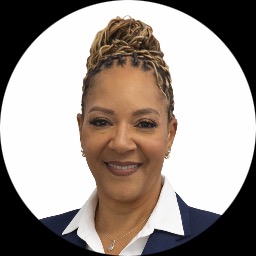
About Tanya
She uses a mix of practical, conversation-based methods to help people clarify goals and try different ways of handling problems. Sessions center on the person in front of her and are collaborative. Tanya draws from Client-Centered Therapy, Cognitive Behavioral Therapy (CBT), Acceptance and Commitment Therapy (ACT), Emotionally-Focused Therapy (EFT), and Existential approaches to help people notice patterns and take action.
In practice she helps people talk through relationship conflicts, communication problems, caregiving stress, and blended family issues. She also supports those facing addiction, eating and body image concerns, or the emotional strains of divorce and separation. Tanya pays attention to grief and loss and works with people who are sorting through forgiveness, emptiness, or fatherhood issues.
Her background includes psychotherapy and mental health treatment across clinical settings. That experience shapes a straightforward approach focused on achievable steps and clearer decision making. Sessions typically involve setting goals, reviewing what’s worked or not, and trying tools from different therapies.
Sessions are conducted in English and Tanya does not accept international clients. Cost varies with location and sessions use a subscription that can be canceled at any time. To begin, users complete a short matching questionnaire and then schedule a first session.
Areas of expertise
Primary focus
Also works with
Additional focus areas
Therapeutic approaches
Experience
11+ years
Credentials
Florida
Languages
English
Therapeutic approaches and how online sessions work
Acceptance and Commitment Therapy (ACT) helps people notice difficult thoughts and feelings without getting stuck in them, and then take actions that align with their values. This can be helpful for anxiety, depression, and coping with life changes. Cognitive Behavioral Therapy (CBT) focuses on identifying unhelpful thinking and testing new behaviors to reduce symptoms like worry or low mood. It is often used for anxiety, depression, and stress. Emotionally-Focused Therapy (EFT) concentrates on emotions and attachment patterns in close relationships to improve communication and connection.Choosing the right approach is part of the work. The therapist will collaborate with the client to decide which methods fit best for the person’s goals and situation. That choice can change over time as needs and priorities shift.
Session formats are not specified in the biography, so confirm current options before booking. Online work can make it easier to fit sessions into a busy week, reduce travel time, and allow shorter check-ins when needed. It can also make it simpler to include discussions about caregiving routines, retirement transitions, or family logistics without rearranging travel plans.
Frequently asked questions
What concerns does she address related to later life?
She lists aging and geriatric issues, caregiver stress, grief, and relationship changes among her focus areas and works with adults on these topics.
What is her therapeutic style?
She uses a client-centered approach and draws on CBT, Acceptance and Commitment Therapy, Emotionally-Focused Therapy, and existential ideas to help people set goals and try practical steps.
How much experience does she have?
She has 11 years of experience in psychotherapy, case management, trauma work, and substance use treatment.
What credential does she hold and where does she practice?
She is a Licensed Mental Health Counselor (LMHC) practicing in Florida.
Which languages are supported for sessions?
Sessions are offered in English.
Can international clients work with her?
She does not accept international clients at this time.
How are sessions paid for and what do they cost?
Cost varies with location; sessions use a subscription that can be canceled at any time.
How do I begin a first session?
Select the See online therapy options button, complete a short matching questionnaire, and then schedule a first session.