- Stress and anxiety
- Addiction and recovery
- Values-based work
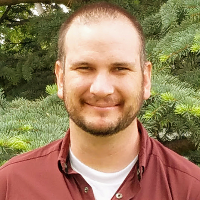
About Stephen
In sessions he uses straightforward conversation to identify what matters most to the client. He draws on acceptance and commitment ideas to help people name values and take practical steps. He also uses client-centered and dialectical approaches to address emotion regulation, impulsivity, and patterns that keep people stuck.
Bunnell has worked in several states including Utah, Kentucky, and Indiana, and he has experience with addiction, personality concerns, homelessness, and cultural or spiritual issues. That background informs how he talks about practical supports and next steps for everyday problems. He explains things plainly and focuses on what can be changed in the here and now.
When people raise family, caregiver, or grief concerns he listens for patterns from earlier relationships and current stressors. He often brings narrative techniques to help people reframe painful memories and make clearer choices about the present. Sessions aim to combine short-term strategies with attention to values and relationships.
People who want a direct, down-to-earth approach to life changes and mental health concerns may find this style useful. He works in English and does not take international clients. To begin, the usual next step is to complete a short matching questionnaire and schedule a first session.
Areas of expertise
Primary focus
Also works with
Additional focus areas
Therapeutic approaches
Experience
6+ years
Credentials
Idaho, Utah, Washington, Arizona
Languages
English
Therapeutic approaches used online and what they do
Acceptance and Commitment Therapy (ACT) helps people get clearer about what matters to them and then take small steps that fit those values. It can be useful for anxiety, depression, and major life transitions because it focuses on action rather than only on changing thoughts.Client-Centered Therapy centers the conversation on the person's experience and priorities. The therapist listens with minimal direction and supports the client in finding their own solutions, which can help with relationship strain, grief, and identity questions.
Finding the right approach is part of the work. The therapist will talk with each person about goals, preferences, and what has or has not helped before. Together they decide which methods to use and adjust them as needed, so the plan changes if something is not working.
If you are considering online sessions, confirm the specific session formats before booking. Online work can make it easier to keep appointments around medical visits, caregiving tasks, or travel. It can also allow for shorter check-ins when time is limited, and reduce the need to travel to an office. Licensed professionals use these options to fit therapy into everyday life rather than requiring large schedule changes.
Frequently asked questions
What kinds of problems does he help with?
He works with stress, anxiety, addictions, depression, relationship strain, grief, and coping with life changes, and notes aging and geriatric issues as a focus.
How would you describe his therapeutic style?
He uses a direct, practical style that draws on acceptance and commitment ideas, client-centered listening, and dialectical methods to manage emotions and impulsivity.
What is his clinical background?
He has six years of experience in the mental health field and has worked in Idaho, Utah, Kentucky, and Indiana on addiction, homelessness, cultural, and spiritual concerns.
What credentials and location are listed?
He is an LCSW licensed in Arizona and Utah and currently practices in Idaho.
Which languages are supported for sessions?
Sessions are offered in English.
Can international clients work with him?
He does not accept international clients at this time.
How are sessions paid for?
Cost varies with location and sessions use a subscription that can be canceled at any time.
What should I do to get started?
Select the See online therapy options button, complete the short matching questionnaire, and schedule a first session.