- Stress and anxiety
- Grief and loss
- Aging and caregiver stress
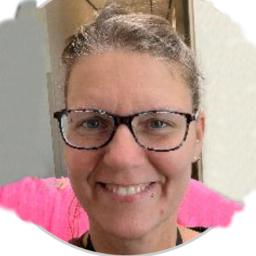
About Stephanie
She uses practical, skills-based approaches in sessions. That often means working on clearer thinking patterns with cognitive behavioral strategies. It can also involve learning emotion regulation and distress tolerance skills from dialectical behavior therapy. Mindfulness techniques and motivational interviewing are other tools she draws on to help people take manageable steps forward.
Sessions focus on concrete goals. Stephanie helps clients notice unhelpful thoughts, practice new behaviors, and build small routines that reduce daily stress. She pays attention to family and parenting pressures when those are part of the problem. She also offers support for people dealing with loss, guilt, or relationship wounds like abandonment and attachment issues.
Her work includes short-term problem solving and longer-term support when needed. People looking for help with hospice and end-of-life planning, caregiver burnout, or adapting to health changes often find the practical focus useful. Stephanie asks questions, teaches skills, and checks progress so each person can see what is working.
Sessions are conducted in English. Before booking, clients should confirm current session options and formats.
Areas of expertise
Primary focus
Also works with
Additional focus areas
Therapeutic approaches
Experience
7+ years
Credentials
Idaho
Languages
English
How her approaches translate to online care
Stephanie commonly uses cognitive behavioral therapy and dialectical behavior therapy. Cognitive behavioral therapy focuses on identifying unhelpful thoughts and testing new ways of thinking and acting to reduce anxiety and stress. Dialectical behavior therapy teaches concrete skills for managing strong emotions, reducing impulsive behaviors, and improving interpersonal effectiveness.She also draws on mindfulness practices to help people notice the present moment and on motivational interviewing to strengthen readiness for change. Finding the right mix of these approaches is part of the work. She will collaborate with each person to decide which methods suit their goals and day-to-day life.
The practical benefits of remote sessions include fitting appointments into a busy schedule and keeping continuity when travel or health issues make in-person visits harder. Because the biography does not specify session formats, confirm the current online and phone options before booking. Online sessions can make it easier to attend regular check-ins, practice techniques between meetings, and involve brief focused work when a full in-person visit is difficult.
Frequently asked questions
What concerns does she help with?
She works with stress, anxiety, trauma and abuse, grief, bipolar symptoms, addictions, and coping with life changes including aging and geriatric issues.
What is her therapy style?
She uses practical, skills-based work drawing on cognitive behavioral therapy, dialectical behavior therapy, mindfulness, and motivational interviewing to address thoughts, feelings, and behavior.
How much experience does she have?
She has seven years of professional experience as a clinician working with a range of emotional and life challenges.
What are her credentials and location?
She is a Licensed Clinical Social Worker (LCSW) based in Idaho.
Which languages are supported?
Sessions are offered in English.
Can I have sessions remotely or from another place?
Confirm current session formats before booking, as the biography does not list specific session formats.
How much do sessions cost?
Cost varies with location and services; sessions use a subscription that can be canceled at any time.
How do I start working with her?
Select the See online therapy options button, complete a short matching questionnaire, and schedule a first session.