- Stress and anxiety
- Trauma and EMDR
- Relationship support
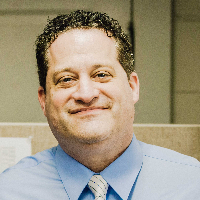
About Shlomo
He uses practical, talk-based methods focused on what is happening now. He draws from client-centered work and cognitive behavioral strategies to help people notice patterns and try new behaviors. He also uses dialectical behavior therapy skills for emotion regulation and has experience with EMDR for trauma-related symptoms.
Lawrence has worked in community treatment, addiction programs, and trauma settings. That background includes helping people with co-occurring disorders, substance use concerns, and severe stress reactions. He also has experience with relationship and family conflict that affects adults and caregivers.
When someone reaches out he aims to listen first and then offer steps that are clear and doable. Typical actions in sessions include identifying unhelpful thoughts, practicing coping skills, and planning small behavior changes between meetings. For trauma-related work he may introduce EMDR elements when appropriate.
Sessions use a subscription model that can be canceled at any time and cost varies with location. To start, select the See online therapy options button, complete the short matching questionnaire, and schedule a first session. This helps match practical needs and scheduling preferences before the first meeting.
Areas of expertise
Primary focus
Also works with
Additional focus areas
Therapeutic approaches
Experience
12+ years
Credentials
Florida, Texas
Languages
English
How therapeutic approaches are used in online sessions
Client-centered therapy focuses on listening and following the client's pace. The therapist gives space for people to describe what matters and then helps set clear steps to address those concerns. Cognitive Behavioral Therapy, or CBT, looks at the connection between thoughts, feelings, and actions and teaches practical exercises to change unhelpful patterns. Dialectical Behavior Therapy, or DBT, offers skills in emotion regulation, distress tolerance, and interpersonal effectiveness that adults can practice between sessions.Choosing the right approach is part of the work. The therapist and client review needs, goals, and preferences together and try methods that fit. If something does not feel helpful they adjust the plan so sessions stay useful and relevant to everyday life.
Session formats are not specified in the original biography, so confirm current options before booking. Online work can make it easier to fit meetings into schedules, reduce travel time, and allow shorter check-ins when needed. It can also let people use sessions from quieter surroundings or when they prefer not to be on camera. Licensed professionals will discuss which approach and session pattern fit best during the first meetings.
Frequently asked questions
What concerns does he address?
He works with stress, anxiety, addictions, relationship and family issues, trauma and abuse, grief, aging and geriatric issues, and related concerns listed in his profile.
What is his therapeutic style?
He uses client-centered listening combined with cognitive behavioral and dialectical skills to help people change thinking and behavior in day-to-day life.
How long has he practiced?
He has 12 years of experience in the mental health field, including work in community treatment, addiction programs, and trauma settings.
What are his credentials and where is he based?
He is an LMFT licensed in Texas and Florida and practices from Florida as listed in his profile.
Which languages are supported?
Sessions are offered in English.
Can international clients be seen?
He does not accept international clients at this time.
How are sessions paid for and what do they cost?
Sessions use a subscription that can be canceled at any time and cost varies with location.
How do I begin working with him?
Select the See online therapy options button, complete a short matching questionnaire, and schedule a first session to begin the process.