- Stress and anxiety
- Relationship issues
- Aging concerns
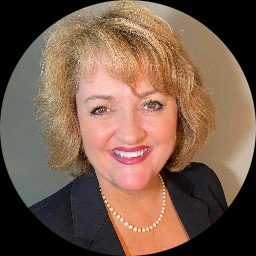
About Sara
She uses straightforward conversation to identify patterns that cause repeated distress. Sessions look at fears, doubts, and behaviors that get in the way of practical goals. She helps people who feel stuck to try different ways of responding and to build new habits.
Dr. Lewis-Stankus draws on a mix of approaches. She practices client-centered therapy to follow what each person brings into the room. Cognitive behavioral strategies help with unhelpful thoughts and routines, and she uses DBT skills for managing strong emotions and impulsivity.
Her work also includes methods for relationship difficulties, such as communication problems and issues that come up after separation or divorce. She supports people coping with chronic illness, grief, isolation, and the parenting or caregiving responsibilities that often change later in life.
Practical steps are part of sessions. Clients talk through small experiments, communication techniques, and coping skills they can try between meetings. The emphasis is on clear, usable changes people can put into place to improve daily life.
Areas of expertise
Primary focus
Additional focus areas
Therapeutic approaches
Experience
26+ years
Credentials
West Virginia, California, Florida
Languages
English
Therapeutic approaches used in online work
Dr. Lewis-Stankus commonly combines client-centered therapy and cognitive behavioral therapy in her online work. Client-centered therapy focuses on the person's own goals and values, and it gives space for the client to lead the conversation. CBT looks at the links between thoughts, feelings, and behaviors and teaches concrete skills to change unhelpful patterns.She may also use dialectical behavior therapy (DBT) skills to teach emotion regulation, distress tolerance, and interpersonal effectiveness. Those skills can be helpful for strong emotions, impulsivity, and communication problems. The therapist and client decide together which methods fit the presenting concern and the client's preferences.
Online sessions are intended to make therapy easier to fit into everyday life. Confirm the current session options before booking so you know what formats are offered. Many people find virtual meetings reduce travel time, allow shorter check-ins, and make it simpler to schedule appointments around caregiving or work. The therapist will work with each person to choose a rhythm and approach that match their goals and daily routine.
Frequently asked questions
What kinds of concerns does she address?
She works with stress, anxiety, relationship problems, self-esteem, career concerns, and coaching. Additional focuses include aging and geriatric issues, caregiver stress, chronic illness, and loneliness.
What is her therapeutic style?
She uses a client-centered style alongside cognitive behavioral techniques and DBT skills. The work emphasizes practical strategies and communication tools.
How much experience does she have?
She has 26 years of professional experience as a counselor and mental health practitioner.
What credentials and location are listed?
She is an LPC and an LMHC licensed in West Virginia and Florida, and she practices from West Virginia.
Which languages are supported in sessions?
Sessions are offered in English.
Can international clients work with her?
She accepts international clients; confirm any cross-border details when arranging care.
How does cost and billing work?
Cost varies with location and sessions use a subscription model that can be canceled at any time.
How do I begin a first session?
Select the See online therapy options button, complete the short matching questionnaire, and schedule a first session.