- Stress and anxiety
- Grief and loss
- Sleep and wellness
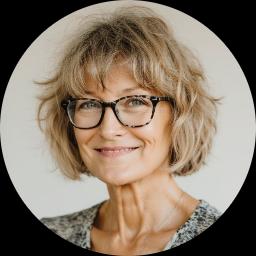
About Sally
She uses clear, practical approaches in sessions and draws on Acceptance and Commitment Therapy, Client-Centered Therapy, and Cognitive Behavioral Therapy. Conversations are direct and focused on what the person wants to change. She includes health and wellness topics when they affect mood, such as sleep and eating habits.
Dr. Good has written about lifestyle changes that support brain health and published a gratitude and prayer journal. She also hosts a podcast called Goodbody/Goodbrain where she discusses wellness topics related to mood and aging. Those resources can be a starting point for thinking about goals before meeting with her.
In session she works with people on planning measurable steps, practicing new ways of thinking, and using values to guide choices. For someone coping with bereavement, caregiving strain, or changes that come with later life, she offers practical tools and focused conversations rather than lengthy theory.
Her background includes two decades of clinical work in Texas. People who prefer straightforward, skills-based work about stress, sleep, mood, and later-life concerns will find this approach familiar and action oriented.
Areas of expertise
Also works with
Additional focus areas
Therapeutic approaches
Experience
20+ years
Credentials
Texas
Languages
English
Therapeutic approaches and online sessions
Acceptance and Commitment Therapy helps people clarify what matters to them and take small steps toward those values while learning to accept difficult thoughts and feelings. It is often used for anxiety, stress, and life transitions. Cognitive Behavioral Therapy focuses on identifying unhelpful thoughts and testing them with practical experiments and behavior changes; it is commonly used for depression, sleep problems, and anxiety. Client-Centered Therapy emphasizes listening and reflecting so the person can find their own solutions and feel understood in the process.Deciding which approach to use is a collaborative process. The therapist will discuss goals, try different methods, and adjust based on what works for the individual. That means the approach may shift as goals change or as practical needs emerge.
The practical benefits of remote sessions include fitting therapy into a busy week, shorter check-ins when needed, and avoiding travel time. The biography does not list specific session formats, so confirm available options before booking. The emphasis is on making therapy workable alongside caregiving, health appointments, or other commitments common later in life.
Frequently asked questions
Which concerns does she address related to later life?
She works with stress, anxiety, grief, depression, sleep problems, caregiver stress, and issues tied to aging and geriatric concerns.
How does she typically work with clients?
Sessions focus on practical steps, values-based choices, and changing unhelpful thoughts using approaches such as ACT, client-centered work, and CBT.
How much clinical experience does she have?
She has 20 years of experience working with mood, grief, caregiving, and life transition issues.
What are her credentials and where does she practice?
She is a TX Psychologist 33204 and practices in Texas.
Can I work with her if I live outside the United States?
She does not accept international clients; sessions are offered in English and for residents in the United States.
What session formats are offered?
Please confirm current session options before booking, as the biography does not list specific formats.
How are fees handled?
Cost varies with location; sessions use a subscription that can be canceled at any time.
How do I begin working with her?
Click the See online therapy options button, complete the short matching questionnaire, and schedule a first session.