- Stress and anxiety
- Grief and loss
- CBT and DBT methods
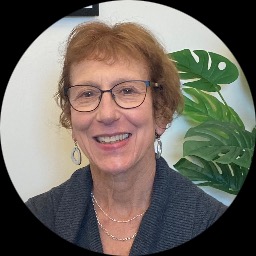
About Rosemary
Her sessions focus on clear, practical conversation about current problems. She listens to what matters most and helps people name priorities. Conversations move from where a person is now to small steps they can try between sessions.
She uses client-centered methods to keep the work grounded in each person’s goals. Cognitive Behavioral Therapy (CBT) is used to identify and change unhelpful thought and behavior patterns. Dialectical Behavior Therapy (DBT) skills are used when people need tools for strong emotions and better coping.
Rosemary works in both English and Spanish. Her California licensure is noted as LMFT. She aims to help people who feel stuck after life changes such as retirement, loss, or shifts in health and caregiving roles. The approach is collaborative and practical, focusing on what will make daily life feel more manageable.
To begin, she asks about current concerns and what a realistic first step would look like. People can expect a steady, straightforward process that reviews progress and adjusts plans as needed.
Areas of expertise
Primary focus
Also works with
Additional focus areas
Therapeutic approaches
Experience
3+ years
Credentials
California
Languages
English, Spanish
Therapeutic approaches for online sessions
Client-Centered Therapy focuses on the person’s own goals and experiences. The therapist listens carefully and helps people reflect on what matters most, making changes that fit daily life and later-life transitions.Cognitive Behavioral Therapy, or CBT, looks at the link between thoughts, feelings and actions. It helps with anxiety, depression, sleep problems, and behaviors linked to addiction by teaching simple, testable techniques to change patterns.
Dialectical Behavior Therapy, or DBT, provides concrete skills for handling intense emotions and reducing impulsive behaviors. It can be useful for mood instability, anger, and coping after trauma.
Choosing an approach is a collaborative process. The therapist will work with each person to decide which methods suit their goals and preferences and will adjust the plan over time based on what helps.
Confirm the specific session formats available before booking, as the biography does not list formats. Online sessions can make it easier to fit meetings into daily routines, allow shorter check-ins when needed, or avoid travel to appointments. Talk with the therapist about session length and timing so arrangements match day-to-day needs.
Frequently asked questions
What kinds of concerns does she address?
She works with stress, anxiety, depression, addictions, relationship and family concerns, grief, sleep and eating issues, ADHD, bipolar concerns, trauma and aging and geriatric issues.
How does she approach therapy?
She uses a client-centered style and practical techniques from CBT and DBT to help people change unhelpful thoughts and build emotion regulation skills.
How much experience does she have?
She has been a California LMFT since 2021 and lists three years of experience since licensure.
What are her credentials and where is she based?
She is an LMFT licensed in California.
Which languages are supported?
Sessions are offered in English and Spanish.
Can I have sessions from another country?
International clients are not currently accepted.
How are costs handled?
Cost varies with location; sessions use a subscription model that can be canceled at any time.
How do I start a first session?
Select the See online therapy options button, complete a short matching questionnaire, and schedule the first session.