- Stress and anxiety
- Attachment-based work
- CBT and ACT methods
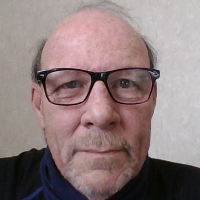
About Roderick
He has a long career in rehabilitation that began in 1987 and includes operating a multi-service rehabilitation center addressing dual diagnosis, developmental disability, and acquired brain injury. He developed clinical curriculum for a wilderness program serving Native American youth with substance concerns and has led family and extended family work in intensive settings.
Today he serves as a director and clinical director of a wellness center with a practice emphasis on child and family counseling and case management. His work includes play therapy with children and adults, group therapy, and individual therapy, together with couples and family work. He has been involved in developing his agency's telehealth platform since 2016.
His counseling approach is grounded in client-centered care. He emphasizes honesty, dignity, and respect in sessions. He combines cognitive behavioral methods with attachment-based and humanistic ideas, and includes psychodynamic and rational-emotive perspectives when useful.
He notes cultural sensitivity and attention to diversity as central to his practice. He aims to be goal directed and practical, with a straightforward style and occasional use of humor. To begin, the site’s matching process is used to schedule a first session.
Areas of expertise
Primary focus
Also works with
Additional focus areas
Therapeutic approaches
Experience
13+ years
Credentials
Wyoming
Languages
English
How his methods translate to online sessions
Acceptance and Commitment Therapy (ACT) focuses on helping people clarify what matters to them and take actions that match those values, useful for anxiety, stress, and life changes. Attachment-Based Therapy looks at early relationship patterns and how they affect current connections, which can help with relationship, caregiver, and family issues. Cognitive Behavioral Therapy (CBT) works on spotting and changing unhelpful thoughts and behaviors, often used for depression, anxiety, and coping skills.Choosing the right approach is part of the work. He will discuss options with the client and together they decide which methods fit the person’s goals, needs, and preferences. That collaborative process helps shape session focus and practical steps between meetings.
The biography notes he helped develop a telehealth platform and has used telemedicine since 2016, but it does not list specific session formats here. Confirm which session formats are offered before booking. Online work can make scheduling easier, reduce travel, and allow shorter check-ins when needed. It also helps reach people living in rural or isolated areas and can fit more smoothly into a busy day while maintaining the same therapeutic focuses used in person.
Frequently asked questions
What concerns does he work with?
He lists stress, anxiety, trauma and abuse, parenting, depression, addictions, relationship and family concerns, grief, anger, career issues, bipolar disorder, ADHD, and coping with life changes, among other areas such as aging and geriatric issues.
What is his general therapeutic style?
He practices client-centered care and is goal directed. He combines cognitive-behavioral ideas with attachment-based, humanistic, psychodynamic, and rational-emotive approaches.
How much experience does he have?
He has 13 years of counseling experience and a career in rehabilitation work dating back to 1987, including directing multi-service rehabilitation programs.
What are his credentials and where is he based?
He is an LPC, Licensed Professional Counselor, practicing in Wyoming.
Which languages does he offer sessions in?
Sessions are offered in English.
Can I see him from another country?
He does not accept international clients at this time.
What formats are used for sessions?
The original biography mentions development of a telehealth platform but does not list specific session formats here. Confirm current session options before booking.
How are fees and first sessions handled?
Cost varies with location and sessions use a subscription that can be canceled at any time. To start, complete the short matching questionnaire and schedule a first session via the See online therapy options button.