- Stress and anxiety
- Grief and loss
- Life purpose
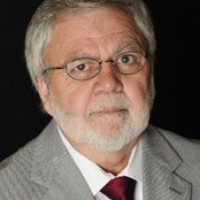
About Robert
Mapes treats each person as an individual. He does not use one fixed approach for everyone. He helps people name personal goals and looks at what is holding them back. Sessions focus on practical steps and on finding strengths the person already has.
In sessions he talks through current problems and life patterns. He may use techniques from cognitive behavioral approaches and acceptance strategies to address unhelpful thinking and to build workable habits. He also draws on client-centered and existential ideas to respect each person’s values and life meaning.
People who come for help with family of origin issues, communication problems, fatherhood questions, or divorce and separation can expect frank conversation about relationships. Those facing loneliness, guilt, shame, or questions of life purpose will work on clear goals and manageable next steps.
Mapes aims to help people move in a new direction when they are ready. He asks about goals, discusses options, and supports small, practical changes that fit the person’s life and circumstances.
Areas of expertise
Primary focus
Additional focus areas
Therapeutic approaches
Experience
25+ years
Credentials
Texas
Languages
English
How his approaches translate to online work
Acceptance and Commitment Therapy (ACT) helps people notice difficult thoughts and feelings while choosing actions that match their values. It is often used for anxiety, stress, and for clarifying what matters in later life. Cognitive Behavioral Therapy (CBT) looks at thoughts and behaviors that keep problems going and teaches concrete skills to change them. It is practical for depression, anxiety, and rebuilding routines. Client-Centered Therapy emphasizes listening, respect, and helping the person find their own solutions rather than following a preset template.Finding the right approach is part of the work together. The therapist will talk with the person about their needs, goals, and preferences and will suggest methods that fit those aims. The plan can change as therapy proceeds so techniques are matched to what helps most.
The biography does not list specific session formats, so confirm current online options before booking. In general, online sessions can make it easier to fit therapy into daily life by removing travel and reducing time away from home or care responsibilities. They can also allow shorter check-ins or sessions that do not require video, depending on what the therapist and client agree will work best.
Frequently asked questions
What concerns does he help with?
He works with stress, anxiety, relationship problems, grief, self esteem, and depression, plus areas linked to later life such as aging and geriatric issues and hospice and end-of-life counseling.
What is his therapeutic style?
He treats each person as an individual and focuses on practical steps. Sessions combine client-centered conversation with tools from cognitive and acceptance-based therapies.
How much experience does he have?
He has 25 years of clinical experience working with a range of emotional and relational concerns.
Where is he licensed and based?
He practices in Texas and holds the LPC credential, noted as TX LPC.
Which languages are supported?
Sessions are offered in English and he accepts international clients.
What session formats are available?
The original biography does not list specific session formats. Please confirm current session options before booking.
How are sessions priced?
Cost varies with location and sessions use a subscription model that can be canceled at any time.
How do I begin working with him?
Select the See online therapy options button, complete a short matching questionnaire, and schedule a first session.