- Anxiety and depression
- Caregiver stress
- CBT and DBT methods
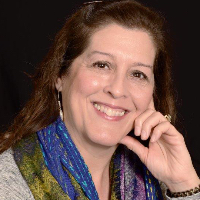
About Rebecca
Her sessions are collaborative and practical. She focuses on clear goals and steps clients can take between meetings. Rebecca combines talk-based methods with skills practice so people leave sessions with tools they can use that week.
She commonly uses client-centered work to make space for a person’s concerns and priorities. She pairs that with cognitive behavioral techniques to identify unhelpful thinking and to try new behavior patterns. She also draws on dialectical behavior strategies and mindfulness when regulating intense emotions and improving day-to-day coping.
Rebecca has supported people through caregiving stress, hospice and end-of-life planning conversations, and the loneliness that can come with major life transitions. She also helps with relationship and communication problems, divorce and separation, self-esteem, and exploring life purpose.
Sessions are straightforward and goal-focused. She and the client set priorities together and track progress over time. People who want direct feedback, practical exercises, and an active plan for change are often a good fit.
Areas of expertise
Primary focus
Also works with
Additional focus areas
Therapeutic approaches
Experience
23+ years
Credentials
Texas
Languages
English
Approaches you may use in online sessions
Client-centered therapy focuses on the person's priorities and perspective. The therapist listens, reflects what she hears, and helps organize concerns into workable goals. This approach helps when someone wants more control over the topics and pace of therapy.Cognitive Behavioral Therapy (CBT) looks at the links between thoughts, feelings, and actions. It helps identify unhelpful thinking and tests small behavior changes to reduce distress. CBT is commonly used for anxiety, depression, and day-to-day coping challenges.
Dialectical Behavior Therapy (DBT) provides concrete skills for managing strong emotions and improving relationships. Mindfulness techniques are often included to increase awareness and reduce reactivity.
Finding the right approach is part of the work. Rebecca will talk with each person about goals and preferences and suggest which methods to try. That choice is made together and can be adjusted over time based on what helps most.
The original biography does not list specific session formats. Please confirm current online or in-person options before booking. Online sessions can make it easier to fit therapy into a busy week, allow shorter check-ins when needed, and reduce travel time. Licensed professionals often use online meetings so people can work on coping skills and communication from whatever routine works best for them.
Frequently asked questions
What kinds of problems does she address?
She works with stress, anxiety, grief, anger, depression, caregiver stress, communication and relationship issues, and concerns related to aging and geriatric issues.
What is her therapeutic style?
Her approach is collaborative and practical. She uses client-centered conversations alongside structured techniques to set goals and practice coping skills.
How much experience does she have?
She has 23 years of experience as a clinical social worker providing psychotherapy in Texas.
What are her credentials and where is she based?
She is a Licensed Clinical Social Worker (LCSW) licensed in Texas and practices there.
Can I work with her if English is not my first language?
Sessions are offered in English.
What session formats are available?
The original biography does not list specific session formats. Please confirm current session options before booking.
How are fees handled?
Cost varies with location; sessions use a subscription that can be canceled at any time.
How do I begin working with her?
Select the See online therapy options button, complete a short matching questionnaire, and schedule a first session.