- EMDR
- Grief support
- Caregiver stress
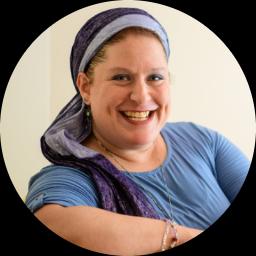
About Rachel
She also supports people facing depression, trauma and abuse, intimacy and parenting concerns, anger, self-esteem struggles, career stress, and life changes such as retirement or health transitions. ADHD, abandonment, blended family issues, cancer, caregiver stress, chronic illness and disability, and communication problems are further areas she addresses.
Rachel uses Eye Movement Desensitization and Reprocessing (EMDR) as part of her clinical approach when appropriate. In practice she talks with clients about what they want to change and works step by step to reduce overwhelming memories or reactions that get in the way of daily life.
Her background in medical settings gives her experience with people managing illness, end-of-life concerns, and the stresses caregivers face. Sessions tend to focus on practical coping skills, processing difficult events, and improving communication within families.
Sessions are offered in English and Hebrew. People interested in beginning work are asked to complete a short matching questionnaire and schedule a first session through the recommended online options.
Areas of expertise
Primary focus
Also works with
Additional focus areas
Therapeutic approaches
Experience
22+ years
Credentials
Illinois
Languages
English, Hebrew
EMDR and remote care approaches
EMDR, or Eye Movement Desensitization and Reprocessing, helps people reduce the intensity of painful memories. It uses guided attention and gentle processing to help the brain reframe troubling experiences, often used for trauma, abuse, and grief.In addition to focused memory processing, Rachel emphasizes practical coping skills and communication techniques. These approaches can help with anxiety, caregiver stress, chronic illness adjustment, and relationship conflict by teaching new ways to respond to difficult moments.
Finding the right approach is a collaborative process. The therapist will talk with the client about goals, symptoms, and personal preferences and together decide whether EMDR or other methods fit best. The plan can be adjusted as work progresses so methods match what the person needs.
The biography does not specify which session formats are offered. Please confirm current session options before booking. Online sessions can make it easier to fit therapy into daily life, for example by avoiding travel, allowing shorter check-ins during a workday, or letting someone join from a location with fewer interruptions. Licensed professionals can also combine memory processing and skills practice in remote sessions when appropriate.
Frequently asked questions
What concerns does she help with?
She helps with stress, anxiety, grief, relationship and family problems, depression, trauma, LGBT issues, parenting, ADHD, and related concerns including aging and geriatric issues.
How would you describe her therapeutic style?
Rachel uses practical conversation and evidence-based methods to address problems. She includes EMDR when appropriate to process traumatic memories and reduce distress.
How long has she been practicing?
She has 22 years of professional experience in private practice and medical settings such as nursing homes, hospitals, and hospice.
What are her credentials and where does she practice?
She is an Illinois licensed clinical social worker (LCSW) practicing in Illinois.
Which languages are supported?
Sessions are offered in English and Hebrew.
Can I do sessions online or by phone?
The original biography does not list specific session formats. Please confirm current session options before booking.
How are fees structured?
Cost varies with location and sessions use a subscription that can be canceled at any time.
What is the first step to begin working together?
Select the See online therapy options button, complete a short matching questionnaire, and schedule a first session.