- CBT techniques
- Motivational interviewing
- Caregiver support
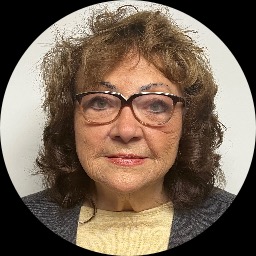
About Patricia
Patricia uses straightforward conversation and practical strategies to help people move through difficult moments. She draws on cognitive behavioral techniques to identify unhelpful thoughts and behaviors. She also uses motivational interviewing to help people find their own reasons for change and build momentum.
Sessions focus on clear goals and small steps. Patricia helps clients break problems into manageable pieces and practice new skills between meetings. She pays attention to stress linked to caregiving, transitions after retirement, loss, and health-related changes.
Her background includes two decades of clinical work in California settings. That experience informs how she supports people facing trauma, grief, or prolonged stress. She also works with issues such as body image, eating concerns, and ADHD where these affect daily life.
Patricia encourages open discussion about practical needs, like coordinating care or planning for hospice and end-of-life choices. She works with each person to set realistic steps and to track progress as concerns evolve.
Areas of expertise
Primary focus
Also works with
Additional focus areas
Therapeutic approaches
Experience
20+ years
Credentials
California
Languages
English
How her approaches guide online work
Patricia commonly uses cognitive behavioral therapy and motivational interviewing in her work. Cognitive behavioral therapy helps people identify thoughts and behaviors that keep problems going and teaches practical skills to change them. It is often used for anxiety, depression, and stress that affect daily routines. Motivational interviewing focuses on a person’s own reasons for change and helps build motivation in small, manageable steps; it can be helpful for addictions, behavior change, and overcoming ambivalence.Choosing the right approach is part of the therapeutic process. Patricia works collaboratively to match techniques to a person’s goals and preferences. She will discuss what seems most useful, try approaches, and adjust plans based on progress and feedback.
Confirm session formats before booking because the biography did not list specific options. In general, online work can make it easier to fit sessions into a busy day, reduce travel time, and allow shorter check-ins when needed. It can also make regular appointments more feasible for caregivers, people managing health appointments, or those juggling work and family responsibilities. Ask about available formats when you schedule to find what fits your routine.
Frequently asked questions
What kinds of concerns does she address?
She works with stress, anxiety, depression, relationship and family issues, parenting concerns, addictions, grief, trauma, and aging and geriatric issues among other topics.
What is her therapeutic style?
She uses practical conversation, cognitive behavioral techniques, and motivational interviewing to set goals and develop actionable steps.
How much clinical experience does she have?
She has 20 years of professional experience providing clinical support in California.
What credential does she hold and where is she based?
She is a LCSW, specifically a California LCSW, and practices in California.
Which languages are offered for sessions?
Sessions are offered in English.
Can people from other countries work with her?
She does not accept international clients at this time.
How are sessions structured and what about formats?
Confirm current session options before booking since formats were not specified in the biography.
How are fees handled and how do I begin?
Cost varies with location and sessions use a subscription that can be canceled at any time. To start, select the See online therapy options button, complete the short matching questionnaire, and schedule a first session.