- Stress and anxiety
- Grief and loss
- Caregiver support
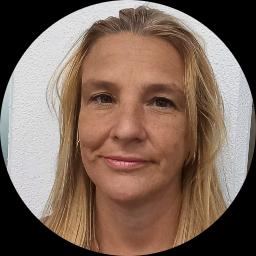
About Nicole
Nicole holds postgraduate certificates in Play Therapy and in Assessment and Diagnosis of Fetal Alcohol Spectrum Disorder. She has lived and worked in remote Aboriginal communities and has family connections who are First Nations. That background informs how she listens to cultural and family context when people talk about care and loss.
In sessions she uses clear, practical conversation. She will help people name what feels difficult, try techniques to manage symptoms, and work through decisions about caring responsibilities or relationships. She is familiar with Circle of Security attachment approaches from her parenting work and brings that into discussions about parent-child connections.
Nicole also supports people dealing with caregiver stress and the emotional strain of long-term caring roles. She understands the pressure that comes from balancing caring, health changes and everyday life. She helps people find manageable ways to set boundaries, talk with family, and reprioritise tasks.
For those facing grief, retirement changes or increased isolation, Nicole offers steady, practical guidance. She asks about what matters most to each person, and helps set short, achievable goals. To begin, she recommends using the site matching process to choose a first session and discuss current needs.
Areas of expertise
Primary focus
Additional focus areas
Experience
20+ years
Credentials
AASW · Australia
Languages
English
Therapeutic approaches used online and how they help
Nicole often draws on practical, evidence-based techniques to help with common issues. One approach she uses is skills-based work that teaches coping strategies for stress and anxiety, such as breathing, activity scheduling and simple behavioural experiments to test unhelpful thoughts. This helps with day-to-day symptom management and building small habits that reduce overwhelm.She also uses attachment-informed ideas, including Circle of Security concepts, to look at relationship patterns between parents and children or between carers and the people they support. These ideas focus on improving communication and feeling more confident in caregiving roles.
Finding the right approach is treated as a collaborative process. The therapist will discuss a person’s needs, goals and preferences and try approaches that fit those aims. Together they review what works and adjust the plan as needed rather than assuming a single method will suit everyone.
Session formats were not specified in the biography, so please check which options are offered when you book. Online work can make it easier to fit sessions into a busy week, allow shorter check-ins when needed, and reduce travel time for people juggling caring duties. For people who prefer face-to-face contact, confirm whether in-person appointments are available before scheduling.
Frequently asked questions
What concerns does she work with?
She works with stress, anxiety, grief, parenting issues, depression and compassion fatigue. Additional focus areas include ageing and geriatric issues, caregiver stress, attachment and isolation.
What is her therapeutic style?
She uses practical, evidence-based techniques and straightforward conversation to help people manage symptoms and make decisions. Sessions focus on skills, communication and realistic goal-setting.
How much experience does she have?
She has 20 years of professional experience working in a range of settings across Australia. That includes work in remote Aboriginal communities.
What credentials and location apply?
She is an AASW-accredited social worker based in Australia.
Which languages are supported?
Sessions are offered in English only.
What session formats are available?
The original biography did not list specific session formats. Please confirm current session options before booking.
How are sessions charged?
Cost varies with location and sessions are delivered via a subscription that can be cancelled at any time.
How do I get started?
Select the See online therapy options button, complete a short matching questionnaire, and schedule your first session.