- Stress and anxiety
- Grief and loss
- Caregiver support
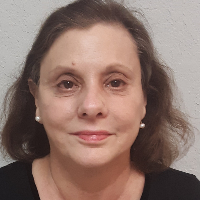
About Nancy
She has counseled people after sexual assault and provided services in correctional settings. That hospital experience exposed her to many cultures and life circumstances, so she often sees complex situations that involve both health and social needs. Nancy says she likes challenging cases and adapts her approach to each person’s situation.
Nancy uses a mixture of approaches rather than one single method. She commonly draws on client-centered therapy to listen and build rapport, cognitive behavioral therapy (CBT) to identify patterns of thinking, and solution-focused work to set achievable short-term goals. She also uses Acceptance and Commitment Therapy (ACT) and Dialectical Behavior Therapy (DBT) elements when they fit the issue.
In practical terms she helps people learn new ways of thinking and new coping strategies. That can mean managing caregiving stress, addressing sleep or eating concerns, or talking through relationship and intimacy problems. She also works with issues such as addictions, bipolar disorder, ADHD, and compassion fatigue.
Nancy notes a particular interest in supporting LGBTQ clients and in hospice and end-of-life counseling. People who want to begin are asked to complete a brief matching questionnaire to schedule an initial session.
Areas of expertise
Also works with
Additional focus areas
Therapeutic approaches
Experience
32+ years
Credentials
Florida
Languages
English
How her approaches translate to online sessions
Acceptance and Commitment Therapy (ACT) helps people clarify what matters to them and take small actions toward those values while accepting difficult feelings. It can be useful for anxiety, grief, and life changes. Cognitive Behavioral Therapy (CBT) focuses on spotting unhelpful thinking and testing new behaviors to reduce symptoms like depression or sleep problems. Client-Centered Therapy centers on listening and reflecting so the person feels understood and can find their own solutions.Choosing the right approach is a collaborative process. The therapist will talk with the client about goals, preferences, and what has or has not worked before. Together they decide whether to focus on skills practice, short-term problem solving, or deeper acceptance work.
Session formats are not specified in the biography, so confirm current options before booking. Many people find online sessions helpful because they fit into daily life more easily, allow shorter check-ins when needed, and reduce travel time. Online work also makes it simpler to continue therapy when caregiving responsibilities, health issues, or travel make in-person visits difficult. Licensed professionals can adapt exercises and homework for remote work so progress continues between sessions.
Frequently asked questions
What kinds of concerns does she address?
She works with stress, anxiety, trauma, grief, depression, and many life stressors. Her additional focus includes aging and geriatric issues and caregiver stress.
How would you describe her therapeutic style?
Her style is eclectic and adjusts to each person. She blends client-centered listening with CBT and solution-focused techniques.
How much clinical experience does she have?
She has 32 years of experience, much of it in a large public teaching hospital in Miami, Florida.
What are her credentials and where is she based?
She is a Florida LCSW and practices in Florida.
Can sessions be conducted in languages other than English?
Sessions are offered in English.
Does she work with international clients?
She does accept international clients.
How does cost and billing work?
Cost varies with location and sessions use a subscription that can be canceled at any time.
How do I begin a first session?
Start by selecting the See online therapy options button, complete a short matching questionnaire, and schedule your first session.