- Client-Centered Therapy
- Cognitive Behavioral Therapy
- Mindfulness Therapy
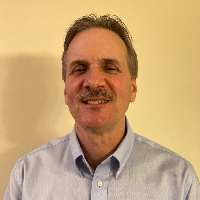
About Michael
He has worked across many settings and with a wide range of problems, including mental health, substance use, domestic violence, and trauma. For several decades he has provided clinical supervision and consulted on program development and trainings. That background informs how he structures sessions and supports practical change.
His approach is grounded in client-centered work. He draws on cognitive behavioral techniques to address unhelpful thinking and behavior. Mindfulness practices and motivational interviewing are used when people need help building momentum and staying engaged.
He also uses psychodynamic ideas to look at patterns that repeat over time. Sessions often combine short-term problem solving with attention to longer-standing issues. People can expect straightforward conversation and practical steps they can try between meetings.
Michael works in a private group practice that covers life adjustment and coping with stress. He welcomes people concerned about retirement, caregiving, loss, isolation, or managing health changes. Sessions are offered in English, and he accepts international clients, though readers should confirm current session options before booking.
Areas of expertise
Also works with
Additional focus areas
Therapeutic approaches
Experience
40+ years
Credentials
Virginia
Languages
English
Therapeutic approaches used for online work
Michael uses client-centered therapy to focus sessions on what the person finds most important. That approach means conversation is guided by the client's concerns and goals rather than a fixed agenda. Cognitive Behavioral Therapy (CBT) is used to identify and change unhelpful thoughts and behaviors, which can help with anxiety, depression, sleep, and coping with life changes.Finding the right approach is a collaborative process. Michael will talk with the person about needs, history, and practical goals, then suggest methods to try. He revisits the plan as work progresses so the approach stays helpful and realistic.
Session format details should be confirmed before booking. Because formats are not specified in the biography, check which options are currently offered when you schedule. Online sessions can make it easier to fit therapy into daily life, reduce travel time, and allow a shorter check-in during a busy day. Licensed professionals can adapt exercises, practice skills, and set action steps that work with a client's routine and technology.
Frequently asked questions
What kinds of problems does he help with?
He works with stress, anxiety, addictions, trauma, grief, depression, relationship and intimacy issues, and related concerns including aging and caregiver stress.
What is his therapeutic style?
He uses a client-centered approach and combines practical techniques with longer-term inquiry. Sessions often include problem solving, skill practice, and discussion of patterns.
How much experience does he have?
He has been practicing for 40 years and has decades of experience as a clinical supervisor and consultant.
What are his credentials and where is he based?
He is a Licensed Clinical Social Worker (LCSW) licensed in Virginia and practices from that state.
Does he work in languages other than English?
Sessions are offered in English.
Can I have sessions from another country?
He accepts international clients; confirm any regional or scheduling details before booking.
How are sessions paid for?
Costs vary with location. Sessions use a subscription that can be canceled at any time.
How do I start a first appointment?
Choose the See online therapy options button, complete the short matching questionnaire, and schedule your first session.