- Grief and loss
- Caregiver stress
- CBT and ACT
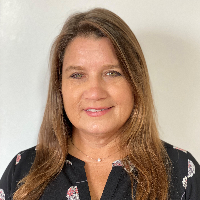
About Maureen
She practices in California and brings a background that includes work in mental health and hospice and palliative care. That hospice emphasis shaped how she talks with people about serious illness, caregiving demands, and bereavement. Her approach is practical and conversational rather than technical.
In sessions she uses a mix of methods grounded in evidence-based techniques. Cognitive Behavioral Therapy (CBT) helps with anxious thoughts and sleep problems. Acceptance and Commitment Therapy (ACT) supports coping with difficult feelings and finding direction after major life changes. Mindfulness-based work and client-centered listening are part of how she helps people manage stress and compassion fatigue.
Maureen also draws on attachment-informed ideas when relationship patterns and intimacy issues come up. She works with people facing addiction, trauma and abuse, hoarding, hearing impairment challenges, and identity concerns related to LGBT status. She helps individuals navigate communication problems and family conflict without taking sides.
To begin, readers are invited to use the site tools to complete a short matching questionnaire and schedule an initial session. Sessions use a subscription that can be canceled at any time, and costs vary with location.
Areas of expertise
Primary focus
Also works with
Additional focus areas
Therapeutic approaches
Experience
10+ years
Credentials
California, District of Columbia
Languages
English
Therapeutic approaches and how online sessions work
Maureen uses Acceptance and Commitment Therapy (ACT) to help people accept difficult thoughts and feelings while identifying values that guide next steps. ACT is often useful for coping with loss, chronic illness, and life changes where avoidance has become a habit.She also applies Cognitive Behavioral Therapy (CBT) to identify unhelpful thought patterns and try practical changes in behavior. CBT can be helpful for anxiety, sleep problems, and mood concerns that affect daily routines.
Choosing an approach is collaborative. The therapist will listen to a person's goals and preferences and suggest methods to try. Over the first few sessions she will check in and adjust techniques as needed so the plan fits the person’s situation.
Session formats are not listed in the biography, so confirm current options before booking. Online therapy can make it easier to fit appointments into a busy calendar, reduce travel time for caregivers, or allow a shorter check-in when energy or bandwidth is limited. Licensed professionals generally use online visits to continue consistent care and to bring therapeutic tools into everyday life without requiring long commutes.
Frequently asked questions
What kinds of concerns does she help with?
She works with stress, anxiety, grief, depression, caregiver issues, and many aging-related concerns such as hospice and end-of-life questions.
How would you describe her therapeutic style?
Her style is conversational and practical, using client-centered listening alongside structured tools to manage symptoms and life changes.
How much clinical experience does she have?
She has about 10 years of experience, including work in mental health and hospice and palliative care settings.
What credentials and location are listed?
She holds LCSW and LICSW credentials and practices in California.
Does she offer sessions in other languages or to international clients?
Sessions are offered in English. She is not accepting international clients.
What session formats are available?
Session formats are not specified here; please confirm current session options before booking.
How much do sessions cost?
Cost varies with location and sessions use a subscription that can be canceled at any time.
How do I get started?
Select the See online therapy options button, complete the short matching questionnaire, and schedule a first session.