- Person-centered care
- EMDR for trauma
- CBT and attachment
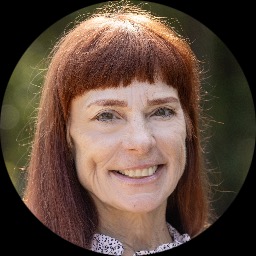
About Marianne
Her style is person-centered. She listens first and helps people name what feels wrong. Marianne draws on cognitive behavioral approaches and attachment-based ideas to help people see patterns and try new ways of responding. She also uses EMDR when trauma processing is needed.
Much of her work has been in crisis and trauma settings. For eight years she provided counseling at a crisis center for people affected by domestic violence and sexual assault. That background informs how she handles safety planning, pacing, and immediate emotional needs in early sessions.
She has a Master of Science in Mental Health Counseling and a Bachelor of Science in Psychology. Marianne also holds experience supporting children and young adults through educational and therapeutic roles, and she has worked with minority and underserved groups.
In practical terms she helps people build self-advocacy and stronger self-esteem. Sessions often include learning coping skills, practicing communication, and working through traumatic memories when appropriate. Marianne aims to help clients manage current stresses and make clearer choices about their next steps.
Areas of expertise
Also works with
Additional focus areas
Therapeutic approaches
Experience
8+ years
Credentials
South Carolina
Languages
English
Approaches used in virtual sessions and what they do
Marianne combines person-centered listening with cognitive behavioral therapy and attachment-based work. Cognitive behavioral therapy focuses on spotting unhelpful thoughts and testing new behaviors to reduce anxiety and depression. Attachment-based work looks at how early relationship patterns affect current connections and emotional reactions.Choosing the right method is part of the process. She will work with the client to determine which approach fits best based on goals, symptoms, and preferences. That decision is collaborative and can change as progress is made.
The therapist's biography does not list specific session formats here, so confirm available online options before booking. In general, online sessions can make fitting therapy into daily life easier by removing travel time, allowing shorter check-ins when needed, or offering options that do not require being on camera. If trauma processing with EMDR is considered, discuss how to adapt those techniques for remote work during the first session.
Frequently asked questions
What concerns does she address most often?
She works with stress, anxiety, trauma and abuse, self-esteem, depression, grief, addictions, relationship and intimacy issues, and coping with life changes including aging and geriatric concerns.
What is her therapeutic style?
Her approach is person-centered, using listening and collaboration. She also integrates cognitive behavioral techniques, attachment-based ideas, and EMDR for trauma-focused work.
How much clinical experience does she have?
She has eight years of counseling experience, including work in a crisis center supporting survivors of domestic violence and sexual assault.
What credentials and location are listed?
She is a Licensed Professional Counselor (LPC) practicing in South Carolina.
Are sessions offered in other languages or internationally?
Sessions are offered in English only and international clients are not accepted.
What session formats are available?
The original biography does not specify session formats. Please confirm current session options before booking.
How are fees handled?
Cost varies with location and sessions use a subscription that can be canceled at any time.
How do I begin working with her?
Select the See online therapy options button, complete a short matching questionnaire, and schedule a first session.