- Stress and anxiety
- Trauma-focused work
- Psychodynamic approach
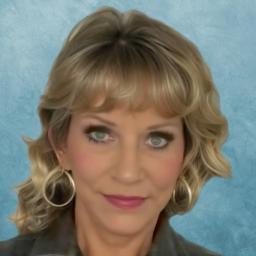
About Lynne
She meets people where they are and begins by listening to what feels most urgent. Sessions often focus on understanding current problems, sorting through difficult feelings, and identifying practical steps to reduce distress. She combines longer-term reflection with direct strategies when immediate goals are needed.
Lynne trained at the University of North Carolina at Chapel Hill with a Master of Social Work degree focused on adult mental health and psychopathology. Her background includes many years working with mood disorders, anxiety, trauma, and life transitions such as divorce, grief, and retirement adjustment.
Her clinical style draws on psychodynamic work to look at patterns from the past, while also using structured methods to address current symptoms and behaviors. She also incorporates somatic and trauma-focused methods when bodily or past-trauma responses are part of the problem.
People who come to her for help often want clearer relationships, more self-acceptance, and tools to manage intense emotions. She aims to help clients strengthen relationships, work through past hurts, and build confidence for the next chapter of life.
Areas of expertise
Primary focus
Also works with
Additional focus areas
Therapeutic approaches
Experience
25+ years
Credentials
North Carolina
Languages
English
How her approaches translate to online work
Lynne uses Cognitive Behavioral Therapy and psychodynamic approaches in her practice. CBT focuses on identifying unhelpful thoughts and changing behaviors to reduce symptoms like anxiety and depression. Psychodynamic therapy looks at patterns and past experiences that influence current feelings and relationships, which can help with long-standing relationship and self-esteem issues.Finding the right mix of approaches is part of the process. She will work with the client to decide which methods fit their needs and goals, and may shift approaches as progress is made. That collaboration helps shape sessions around what is actually helpful.
Session formats are not specified in the biography, so confirm current options before booking. In general, online work can make it easier to fit therapy into a busy life, allow shorter check-ins when helpful, and remove travel time. Many people find it useful for ongoing work around mood, grief, relationships, and coping with aging-related changes, while also combining deeper reflective work when needed.
Frequently asked questions
What issues does she help with?
She works with stress, anxiety, depression, trauma and abuse, relationship difficulties, addictions, and life changes including retirement and aging and geriatric issues.
How would you describe her therapeutic style?
Her style blends insight-oriented psychodynamic work with more structured techniques to address immediate goals and symptoms.
How much experience does she have?
She has 25 years of clinical experience working with adults across a range of mood, anxiety, and trauma-related concerns.
What are her credentials and location?
She is an LCSW licensed in North Carolina and practices from that state.
Which languages are supported in sessions?
Sessions are offered in English.
Can international clients work with her?
She does not accept international clients at this time.
How does pricing work?
Cost varies with location; sessions use a subscription model that can be canceled at any time.
How do I begin working with her?
Click the See online therapy options button, complete the short matching questionnaire, and schedule a first session.