- Stress and anxiety
- Trauma and grief
- Attachment and CBT
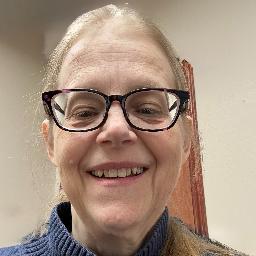
About Lynn
She focuses on clear, practical conversations. Sessions are conversational and goal oriented. Lynn helps people name the immediate problem, think through next steps, and try small changes that feel doable. She provides resources and suggestions alongside discussion so clients leave with concrete ideas.
Lynn draws on attachment-based ideas to look at how past relationships shape current patterns. She uses cognitive behavioral tools to spot unhelpful thoughts and try different responses. Solution-focused steps are used when someone wants quick, practical strategies to manage day-to-day stressors.
Her approach to trauma involves careful pacing and attention to safety during sessions. She pays attention to grief, loss, and the effects of long-term caregiving or compassion fatigue. For people dealing with chronic illness, adoption histories, blended family concerns, or veteran-related issues, she weaves relevant resources into sessions.
Conversations are straightforward and respectful. Lynn encourages family members and adult children concerned about a parent to bring their questions. To start, she asks about current priorities, recent changes, and what a reasonable next step would look like.
Areas of expertise
Primary focus
Also works with
Additional focus areas
Therapeutic approaches
Experience
13+ years
Credentials
Michigan
Languages
English
Therapeutic approaches and working online
Attachment-based work looks at how early and ongoing relationships affect current behavior and closeness. It helps when patterns repeat in adult relationships or when someone feels stuck in how they connect with others. Cognitive Behavioral Therapy, or CBT, focuses on identifying unhelpful thoughts and testing small behavior changes. CBT can be useful for anxiety, low mood, and practical coping with day-to-day stress.Finding the right approach is part of therapy. The therapist will collaborate with the client to decide which methods suit current needs and goals. That choice can shift over time as priorities change or new challenges emerge.
The biography does not list specific session formats, so confirm current options before booking. Many people find online sessions make it easier to fit therapy into daily life, for example by reducing travel time, allowing shorter check-ins, or letting a session happen during a break from work. Discussing scheduling preferences and how you like to work - talking through feelings, trying a short skills practice, or using written worksheets - helps make remote sessions practical and useful.
Frequently asked questions
What kinds of concerns does she address?
She works with stress, anxiety, depression, trauma and abuse, relationship and family issues, grief, ADHD, bipolar, parenting, and aging and geriatric concerns.
How would you describe her therapeutic style?
She uses conversational, goal-oriented sessions and combines attachment-based ideas, cognitive behavioral tools, and solution-focused steps to find practical responses.
How much clinical experience does she have?
She has 13 years of professional work as a therapist and has built experience offering resources alongside talk therapy.
What are her credentials and where is she based?
She is an LPC - Licensed Professional Counselor - practicing in Michigan.
Does she offer sessions in other languages or to international clients?
Sessions are offered in English. She does not accept international clients at this time.
What session formats are available?
The original biography does not specify session formats. Please confirm current session options before booking.
How are sessions priced?
Cost varies with location and sessions use a subscription model that can be canceled at any time.
How do I begin working with her?
Choose the See online therapy options button, complete a short matching questionnaire, and schedule a first session.