- Stress and anxiety
- Grief and loss
- CBT and ACT
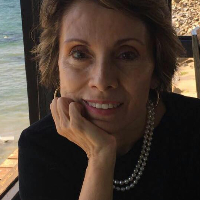
About Lourdes
Lourdes focuses on practical steps that people can use right away. She helps clients identify patterns contributing to how they feel. Then she works on skills for communication, problem solving, and managing strong emotions.
Sessions include talking through what led to current struggles and practicing concrete techniques to change unhelpful behavior. She uses approaches such as Acceptance and Commitment Therapy and Cognitive Behavioral Therapy to teach coping tools and new ways of responding.
Attachment-based ideas are part of her work when relationship histories affect how people connect now. Dialectical Behavior Therapy skills are brought in for intense emotions or impulsive behavior. Client-centered methods guide how she listens and responds in session.
Many people come for help with loss, caregiving stress, changing roles after retirement, and other later-life concerns. Lourdes also supports people working through issues like substance use, body image, and codependency.
Sessions are offered in English and Spanish. She accepts international clients and combines experience with clear, step-by-step coaching to help people move forward from difficult situations.
Areas of expertise
Primary focus
Also works with
Additional focus areas
Therapeutic approaches
Experience
21+ years
Credentials
California
Languages
English, Spanish
How therapeutic approaches translate to online sessions
Acceptance and Commitment Therapy (ACT) helps people notice difficult thoughts and feelings without getting driven by them. Online work with ACT often focuses on clarifying values and practicing small, meaningful actions that fit daily life. Cognitive Behavioral Therapy (CBT) targets unhelpful thoughts and behaviors with structured exercises and homework. In an online format CBT is useful for practicing skills between sessions and tracking mood or behavior changes.Finding the right approach is part of the work. Lourdes will discuss your goals and preferences and suggest which methods to try. That decision is collaborative and can change as needs evolve.
The profile does not specify which session formats are offered, so confirm current options before booking. Many people find online sessions let them fit therapy into their routines more easily - shorter commute time, easier scheduling around caregiving or medical appointments, and the ability to continue work when travel or mobility makes in-person visits harder. Phone sessions can be useful when bandwidth is limited or a simpler check-in is needed. Discuss format preferences when you schedule so sessions match daily life and practical needs.
Frequently asked questions
What kinds of problems does she help with?
She helps with stress, anxiety, depression, addiction, grief, relationship and intimacy issues, and other concerns listed in her specialties including aging and geriatric issues.
How would you describe her therapeutic style?
She uses practical, skills-based work and conversational, client-centered listening. Techniques draw from ACT, CBT, DBT, and attachment-based approaches.
How much experience does she bring?
She has 21 years working in the mental health field in a range of roles and settings.
What are her credentials and location?
She is an LCSW licensed in California and provides services from that state.
Does she work in other languages or with international clients?
Sessions are offered in English and Spanish, and she accepts international clients.
What session formats are available?
The original profile does not list specific session formats; please confirm current session options before booking.
How does cost work for sessions?
Cost varies with location and sessions use a subscription that can be canceled at any time.
How do I begin working with her?
Select the See online therapy options button, complete the short matching questionnaire, and schedule a first session.