- Stress and anxiety
- Family conflict
- Aging related concerns
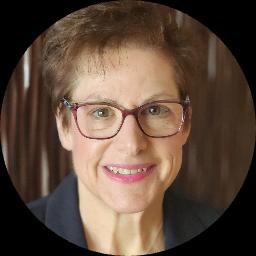
About Lori
She sees people as the experts in their own lives and looks for strengths to build on. In sessions she listens for what matters most and helps people talk through current problems. Lori aims to make the work practical and straightforward so clients can use what they learn between meetings.
Her background includes a decade plus of clinical practice in Kansas, with experience across a range of emotional and relational difficulties. Lori draws on evidence-based therapeutic techniques to address mood, anxiety, trauma, and relationship patterns. She helps clients recognize patterns, practice new ways of coping, and set small goals that change daily life.
When concerns involve caregiving or later-life transitions, she pays attention to practical stressors as well as feelings. Lori works with issues like communication problems, caregiver burnout, body image struggles, and the emotional fallout from chronic illness or cancer. Her approach keeps conversations clear and focused on solutions that fit each person's situation.
To begin, a person completes a short matching questionnaire and schedules a first visit. Sessions use a subscription that can be canceled at any time, and costs vary with location.
Areas of expertise
Primary focus
Additional focus areas
Experience
12+ years
Credentials
Kansas, Missouri
Languages
English
How Lori integrates evidence-based methods with online care
Many clinicians who list evidence-based therapeutic techniques use approaches that focus on thinking patterns and behavior. Cognitive-style work helps people notice unhelpful thoughts and practice different ways of thinking to reduce anxiety and depression. Behavioral techniques focus on small, practical changes - such as setting a daily routine or gradual exposure to reduce avoidance.Other common methods target relationships and patterns between people. This work looks at how communication and expectations affect stress and family conflict, and it teaches clearer ways to handle disagreements and caregiving roles. These approaches can be useful for issues like attachment concerns, blended family stress, and caregiver burnout.
Finding the right mix of methods is part of the process. The therapist will talk with each person about their goals, preferences, and day-to-day constraints, and together they decide which techniques to use. That collaborative choice helps make sessions relevant and workable for real life.
Confirm the available session formats before booking, as specific options are not listed here. Online sessions can make it easier to fit therapy into a busy schedule, reduce travel time, and allow shorter check-ins when needed. Phone meetings may be helpful when video is difficult, while video sessions allow for face-to-face interaction when preferred.
Frequently asked questions
What concerns does she address related to later life?
She works with caregiving stress, aging and geriatric issues, chronic illness, and relationship changes that come with life transitions.
What is her therapeutic style?
She uses evidence-based therapeutic techniques and focuses on clear, practical steps. Sessions emphasize recognizing patterns and practicing new coping skills.
How much clinical experience does she have?
She has 12 years of professional work experience providing therapy in Kansas.
What are her credentials and where does she practice?
She holds LMFT and LCMFT credentials and practices in Kansas.
Which languages are supported?
Sessions are offered in English.
Can I work with her from another country?
International clients are not currently accepted.
How are sessions paid for and what does it cost?
Sessions use a subscription that can be canceled at any time and cost varies with location.
What steps are involved to get started?
Select the See online therapy options button, complete a short matching questionnaire, and schedule a first session.