- Trauma and abuse
- Grief and loss
- CBT and mindfulness
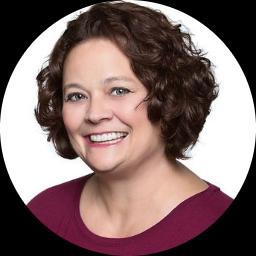
About Lonnie
Dr. Erskine focuses on straightforward, conversational work. Sessions are practical and patient-centered. Clients can expect to talk through current problems, identify small changes, and try new ways of coping. She uses listening and reflective feedback to help people clarify what matters most to them.
Her approach draws on methods like Client-Centered Therapy, Cognitive Behavioral Therapy (CBT), and Mindfulness Therapy. That means attention to thoughts and behaviors, building skills for difficult moments, and using present-focused awareness to reduce distress. Motivational Interviewing can appear when goals or readiness for change are part of the work.
Beyond one-on-one problem solving, she helps people faced with caregiving stress, cancer-related concerns, blended family dynamics, and communication or commitment issues. She also supports those dealing with abandonment, attachment, dissociation, and disruptive mood challenges.
Dr. Erskine works in South Carolina and conducts therapy in English. To begin, prospective clients complete a short matching questionnaire and schedule a first session. The process is meant to be simple and direct so people can move from deciding to act to meeting with a clinician.
Areas of expertise
Primary focus
Also works with
Additional focus areas
Therapeutic approaches
Experience
9+ years
Credentials
South Carolina
Languages
English
Therapeutic approaches and how online sessions work
Dr. Erskine uses Client-Centered Therapy, which focuses on listening and reflecting so people can clarify their own goals and priorities. This approach suits issues where understanding feelings and personal choices matters most.She also draws on Cognitive Behavioral Therapy (CBT) to identify and change unhelpful thoughts and behaviors. CBT is useful for depression, anxiety, motivation problems, and many day-to-day coping challenges.
Finding the right approach is part of the work. She will collaborate with each person to decide which methods fit their needs, goals, and preferences. That may mean trying CBT exercises, practicing mindfulness techniques, or returning to client-centered conversations to reassess progress.
The biography does not list specific online session formats. Before booking, confirm which session types are offered. In general, remote sessions can make it easier to fit therapy into a week, reduce travel time, or allow a shorter check-in when schedules are tight. They also make it simpler to continue therapy through health or mobility changes while working with a licensed professional.
Frequently asked questions
What concerns does she help with?
She helps people with trauma and abuse, grief, parenting, self-esteem, depression, addictions, ADHD, and related issues including aging and geriatric issues.
What is her therapeutic style?
She uses a practical, conversational style that focuses on current problems, thinking patterns, and skill building.
How much experience does she have?
She has nine years of professional experience working with a range of mental health concerns.
What credentials and location are listed?
She is a Licensed Professional Counselor (LPC) licensed in South Carolina and sees clients in that state.
Which languages are supported?
Sessions are offered in English.
What session formats are offered?
The biography does not specify session formats. Please confirm current session options before booking.
How are sessions paid for and what about cost?
Costs vary with location and sessions use a subscription that can be canceled at any time.
How do I get started?
Select the See online therapy options button, complete the short matching questionnaire, and schedule a first session.