- Relationship problems
- Grief and loss
- Caregiver stress
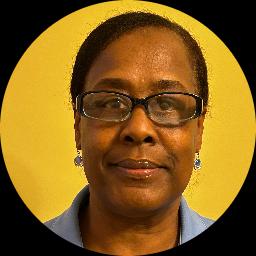
About Kamala
She uses straightforward conversation to clarify what’s happening now and what the person wants to change. Sessions focus on practical steps as well as understanding patterns that keep problems repeating. Cognitive Behavioral Therapy is used to identify unhelpful thinking and try different behaviors. Client-Centered methods guide sessions so the person’s concerns set the agenda.
Psychodynamic ideas are sometimes drawn on to look at longer-standing patterns from earlier relationships. Solution-Focused techniques help set short-term goals and measure progress in concrete ways. Trauma-Focused approaches are available when past events are affecting day-to-day functioning.
Kamala has worked with caregivers, people facing serious illness and those managing end-of-life and hospice concerns. She also supports clients dealing with family conflict, blended family challenges, divorce and separation, and communication problems. Her practice includes concerns linked to cancer, guilt and shame, and feelings of isolation or emptiness.
Her manner is direct and practical. She helps people talk through immediate problems and plan next steps. The initial session is used to inventory concerns, set priorities, and agree on a path forward.
Areas of expertise
Primary focus
Additional focus areas
Therapeutic approaches
Experience
20+ years
Credentials
New York
Languages
English
How her approaches work in online sessions
Client-Centered Therapy focuses on the person’s immediate concerns. The therapist listens and follows what the client brings, helping them name priorities and decide what to work on. Cognitive Behavioral Therapy looks at thoughts, feelings, and actions. It helps people test unhelpful thoughts and try different behaviors to reduce distress.These approaches are used together to balance short-term problem solving and deeper understanding of recurring patterns. The therapist will discuss options and help decide which approaches best match the client’s goals and situation. This is a collaborative process where goals and methods are reviewed as work progresses.
Session formats are not specified in the biography, so confirm current online options before booking. Online work can make scheduling easier, allow shorter check-ins, and reduce travel time. It can also let a person keep therapy consistent while managing caregiving, medical appointments, or other daily responsibilities.
Frequently asked questions
What kinds of concerns does she address?
She works with relationship difficulties, grief, self-esteem problems, coping with life changes, and compassion fatigue. Additional focus areas include caregiver stress, hospice and end-of-life counseling, and aging and geriatric issues.
How does she approach therapy?
Her work combines Client-Centered therapy with Cognitive Behavioral Therapy and Psychodynamic ideas. Sessions mix practical steps, short-term goals, and exploration of longer-standing patterns.
How long has she been practicing?
She has 20 years of professional experience as a clinician working with a range of concerns including caregiving and life transitions.
What are her credentials and where does she practice?
She is a New York LCSW-R and practices in New York state.
Which languages are supported in sessions?
Sessions are offered in English.
Can international clients work with her?
She does not accept international clients at this time.
How is cost handled?
Cost varies with location and sessions use a subscription model that can be canceled at any time.
What do I do to begin?
Select the See online therapy options button, complete the short matching questionnaire, and schedule a first session.