- Stress and anxiety
- Caregiver support
- Relationship issues
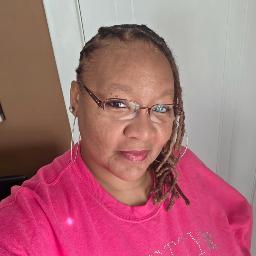
About Joyce
She sees people as the experts on their own stories and looks for strengths to build on during sessions. Joyce uses evidence-based therapeutic techniques to address practical problems and emotional distress. Sessions involve talking through current difficulties, identifying coping strategies, and practicing skills that can be used between meetings.
Her approach is straightforward and goal-oriented. She helps clients break big problems into manageable steps. For relationship and communication difficulties she focuses on clearer interaction and setting boundaries. For life transitions and aging concerns she works on adapting to changing roles and responsibilities.
Joyce also addresses isolation and loneliness by helping people reconnect with social supports and find meaningful daily routines. When addiction or trauma is present, she works on immediate safety and practical ways to reduce risk while building longer-term coping skills.
To begin, potential clients complete a short matching questionnaire and schedule a first session. Joyce works in English and is not set up for international clients. Costs vary by location and use a subscription that can be canceled at any time.
Areas of expertise
Primary focus
Also works with
Additional focus areas
Experience
3+ years
Credentials
Missouri
Languages
English
How evidence-based approaches translate to online work
Joyce uses evidence-based therapeutic techniques that focus on practical skills and problem solving. One common approach helps people learn specific coping strategies for anxiety and depression, such as breathing and behavior changes to reduce stress. Another frequently used method focuses on improving communication and setting boundaries, which can ease relationship and caregiver tensions.Finding the right approach is part of the work. Joyce will review needs, goals, and preferences together and suggest which techniques to try first. This is a collaborative process and plans can be adjusted as therapy progresses.
The biography does not list which session formats are offered, so confirm the available session types before booking. Online work can make it easier to fit therapy into a busy week, reduce travel time, and allow shorter check-ins when needed. It also lets people choose a quieter time slot at home or elsewhere and can help family members coordinate care without rearranging long commutes. Licensed professionals can adapt exercises, worksheets, and action steps for remote sessions to keep progress steady between meetings.
Frequently asked questions
What concerns does she work with?
She works with stress, anxiety, depression, relationship and career concerns, addictions, trauma, anger, and life changes. She also focuses on aging and geriatric issues and caregiver stress.
How would you describe her therapy style?
She uses evidence-based therapeutic techniques and a practical, goal-oriented style. Sessions focus on talking through problems, learning coping skills, and practicing strategies between meetings.
How much clinical experience does she have?
She has three years of professional experience working with the concerns listed above in Missouri.
What are her credentials and location?
She is a Missouri LCSW, which stands for Licensed Clinical Social Worker, and she practices in Missouri.
Which languages are supported?
Sessions are offered in English.
Can sessions be held remotely or by phone?
The original biography does not specify session formats; please confirm current session options before booking.
How does billing and cost work?
Cost varies with location. Sessions use a subscription model that can be canceled at any time.
What is the first step to start working together?
Complete the short matching questionnaire via the See online therapy options button, then schedule a first session through the service.