- Stress and anxiety
- Grief and loss
- Attachment work
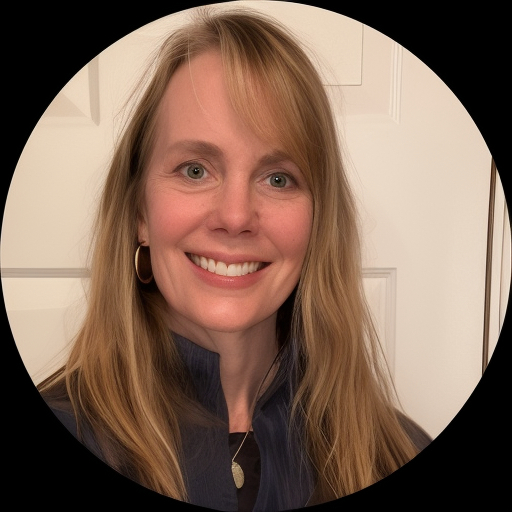
About Joyce
Joyce uses several evidence-based approaches to help people make sense of what they are facing. She draws on attachment-based ideas to look at how early and current relationships shape feelings. She uses cognitive behavioral therapy to identify patterns of thinking that worsen anxiety or low mood.
In sessions she follows a client-centered stance, listening and responding to what matters most to each person. Emotionally-focused ideas are used when relationship feelings need clearer expression and repair. Mindfulness techniques are offered to steady attention and reduce stress in daily life.
Her work often involves building practical coping strategies for everyday tasks. That can mean breaking down worries into small steps, practicing ways to speak with family members, or developing brief exercises for managing grief and loss. Joyce also helps people think through changes that come with aging and later-life transitions.
People who contact her can expect straightforward, goal-oriented conversation. She encourages collaboration on goals and methods rather than prescribing a single path. To begin, readers should confirm current session options and scheduling details before booking.
Areas of expertise
Primary focus
Additional focus areas
Therapeutic approaches
Experience
5+ years
Credentials
New Hampshire
Languages
English
Approaches used in remote sessions and how they help
Attachment-based work focuses on relationships and emotional bonds. In practice this means looking at patterns between you and important others to understand why certain situations trigger strong feelings. Cognitive behavioral therapy (CBT) breaks problems into thoughts, feelings, and actions. It provides concrete techniques to test unhelpful thoughts and try different behaviors for anxiety or low mood.Finding the right approach is part of the process. The therapist will work together with the client to decide which methods fit best based on goals, life circumstances, and preferences. That collaborative planning can include trying a technique for a few sessions and then adjusting what is used.
Confirm the current session options before booking as formats are not specified in the biography. Online work can make it easier to fit therapy into a busy life - for example, sessions can save travel time, allow shorter check-ins when needed, and reduce the need to arrange long absences from daily routines. Joyce will discuss which approaches and session arrangements suit practical needs and day-to-day schedules.
Frequently asked questions
What kinds of concerns does she help with?
She supports people with stress, anxiety, relationship challenges, family problems, grief, and coping with life changes, including aging and geriatric issues.
What is her general approach in sessions?
She uses client-centered listening alongside attachment-based and cognitive behavioral techniques to address feelings, thoughts, and relationship patterns.
How much clinical experience does she have?
She has five years of experience working as a counselor in clinical settings and community practice.
What are her credentials and where does she practice?
She is an LCMHC - Licensed Clinical Mental Health Counselor licensed in New Hampshire and practices from that state.
Does she work in languages other than English?
Sessions are offered in English.
Can international clients work with her?
She is not accepting international clients at this time.
How does payment and cost work?
Cost varies with location and sessions use a subscription that can be canceled at any time.
How do I start a first session?
Select the See online therapy options button, complete a short matching questionnaire, and schedule a first session.